Genghis Khan bukan sekadar nama besar dalam buku sejarah. Genghis Khan adalah arsitek dari kekaisaran daratan terluas yang pernah dikenal manusia. Dalam waktu hanya 25 tahun, pasukan berkudanya menaklukkan wilayah yang lebih luas daripada yang dilakukan bangsa Romawi dalam empat abad. Namun, di balik kemegahan penaklukannya, tersimpan kisah perjuangan hidup yang penuh kepahitan dan kecerdasan strategi yang melampaui zamannya.
Gambar Genghis Khan yang digenerasi dengan Copilot
Lahir sekitar tahun 1162 dengan nama Temujin, masa kecilnya jauh dari kata mewah. Ayahnya, Yesukhei, disebut diracun oleh suku musuh saat Temujin baru berusia sembilan tahun. Keluarganya dibuang oleh klan mereka sendiri dan dipaksa bertahan hidup dengan memakan akar-akaran dan ikan di alam liar.
Pengalaman traumatis ini membentuk karakter Temujin menjadi sosok yang keras dan waspada. Ia belajar bahwa di stepa Mongolia, aliansi dan loyalitas lebih berharga daripada emas. Melalui serangkaian perang suku dan diplomasi yang cerdik, Genghis Khan berhasil menyatukan suku-suku Mongol yang sebelumnya terpecah belah. Pada tahun 1206, sebuah dewan besar yang disebut Kurultai memberinya gelar Genghis Khan, yang berarti “Pemimpin Universal”.
Pasukan Genghis Khan terbilang kuat atas beberapa alasan. Pertama, Pasukan Mongol terdiri dari kavaleri berkuda yang sangat cepat, mampu menempuh jarak jauh tanpa perlu jalur logistik yang rumit. Militer juga diautr dalam unit yang memudahkan koordinasi dan perintah di lapangan.
Hal menarik lainnya adalah adaptasi teknologi. Meski berasal dari budaya nomaden, Genghis Khan sangat terbuka. Ia merekrut ahli dari bangsa yang ditaklukkannya untuk membangun alat pengepung kota (seperti katapel raksasa) dan memanfaatkan intelijen melalui jaringan mata-mata yang luas.
Selain dikenal karena kekejamannya terhadap musuh yang melawan, Genghis Khan juga meninggalkan sistem hukum yang ketat (Yassa) dan memajukan perdagangan melalui Jalur Sutra.
Salah satu fakta mencengangkan adalah warisan biologisnya. Penelitian genetika menunjukkan bahwa sekitar 8 persen pria di wilayah bekas kekaisarannya (atau sekitar 0,5% pria di seluruh dunia) berbagi kromosom Y yang identik, yang diyakini berasal dari garis keturunan Genghis Khan. Ia bukan hanya menaklukkan wilayah, tapi juga meninggalkan jejak genetik yang masif hingga hari ini.
Genghis Khan wafat pada 18 Agustus 1227 dalam sebuah ekspedisi militer melawan kerajaan Xixia. Kematiannya dirahasiakan oleh para panglimanya agar moral pasukan tidak jatuh. Hingga saat ini, lokasi makamnya tetap menjadi salah satu misteri terbesar sejarah, karena konon siapa pun yang melihat prosesi pemakamannya dibunuh agar lokasi pastinya tidak pernah terungkap.
Forget generic lobbies and uniform floor plans. If you’re looking for a stay as memorable as the city, you have some truly surreal options. They are available around the world. You can sleep inside an airplane in a tropical rain forest. Another choice is to drift into a deep slumber 16 feet beneath the Indian Ocean. These hotels defy conventional architecture and logic.
You are an adventure seeker. You’re a design enthusiast. Or maybe you’re just someone who wants a morning coffee with a giraffe. If so, this is for you. Here are the 10 most unique hotels around the world for your 2026 travel bucket list.
Giraffe Manor (Nairobi, Kenya)
This 1930th-style manor house is world-famous for its resident herd of Rothschild’s giraffes. The long-necked residents often poke their heads through the windows during breakfast. They also do this as you relax in your room, hoping for a treat. It’s a rare, intimate meeting that blends colonial charm with wild conservation.
To make the most of your stay, book the Betty or Daisy rooms. These specific suites have balconies. You can feed the giraffes directly from your window. This can all happen before you even head down to breakfast. It’s perhaps the only place on Earth where a giraffe is your morning alarm clock.
The Muraka at Conrad Maldives (Rangali Island, Maldives)
The Muraka is a two-level residence with a master bedroom submerged 16 feet below the Indian Ocean. You can fall asleep watching sharks and stingrays glide over your 180-degree acrylic dome ceiling.
Credit: Hilton
Beyond the view, the suite comes with a 24/7 dedicated butler and private chef. If the “underwater fantasia” feels too secluded, you can head to the upper deck to enjoy your private infinity pool. Alternatively, book a table at Ithaa, the resort’s underwater restaurant. Ithaa is consistently ranked as one of the most beautiful in the world.
Treehotel (Harads, Sweden)
Located in a pine forest in Swedish Lapland, this hotel features high-concept “treerooms” designed by leading Scandinavian architects. Choose between a Mirrorcube that reflects the forest, a giant Bird’s Nest, or even a 1950s-style UFO.
Credit: Swedish Lapland
Check out the newest addition, The Biosphere, designed by BIG (Bjarke Ingels Group). The room is wrapped in 350 bird nests. It creates a symbiotic habitat. Guests can live in the heart of a bird sanctuary while enjoying a sleek, modern interior.
Skylodge Adventure Suites (Sacred Valley, Peru)
These transparent luxury capsules are bolted to a cliff side 400 meters above the Sacred Valley. To reach your bed, you need to hike a challenging trail. Alternatively, you can climb a vertical rock face via a via ferrata.
Credit: Natura Vive
The adventure doesn’t end with the climb. Your descent is via a zipline. It whisks you back down to the valley floor after sunrise. Dining here is equally extreme. Gourmet meals and wine are served on top of the capsules. You are securely harnessed to the structure.
Icehotel (Jukkasjärvi, Sweden)
The world’s original hotel made of ice and snow is rebuilt every winter. Each room is a unique art installation hand-carved by international artists using “snice” (snow and ice) from the Torne River.
Credit: Booking.com
For 2026, the Icehotel 36 rendition features a full-scale grand piano made entirely of ice. If you’re worried about the cold, you can opt for the year-round “Icehotel 365” section. It uses solar-powered cooling to keep the ice sculptures intact even during the summer.
Palacio de Sal (Uyuni, Bolivia)
This hotel is located on the edge of the world’s largest salt flats. It is built almost entirely from one million blocks of salt. The construction includes the walls, floors, and much of the furniture.
Credit: Forbes
Visit the Andean Spa. It features a saltwater pool with a glass wall. This wall faces the vast, white expanse of the Salar de Uyuni. At night, the lack of light pollution turns the salt flats into a natural mirror for the stars. This effect makes the “Salt Palace” feel like a station on another planet.
Hotel Costa Verde (Manuel Antonio, Costa Rica)
This resort features a refurbished 1965 Boeing 727 airframe perched on a 50-foot pedestal in the jungle. The interior is paneled with local teak, and the wings serve as balconies.
Credit: Costa Rica Tourism
Staying here puts you at eye-level with the jungle canopy, meaning your neighbors are literally sloths, toucans, and monkeys. For dinner, head over to the on-site “El Avión” restaurant. It is a converted Fairchild C-123 cargo plane. This plane has its own fascinating history involving the Iran-Contra scandal.
Sextantio Le Grotte della Civita (Matera, Italy)
Stay in the ancient Sassi of Matera, a UNESCO World Heritage site. This hotel consists of restored cave dwellings that date back thousands of years, preserved with a radically minimalist design.
Credit: Sextantio
The hotel offers a “digital detox” atmosphere, using candles and soft floor lighting to highlight the ancient stone. For a truly spiritual start to your day, breakfast is provided in a 13th-century rock church. This church has been converted within the hotel complex and is called Cripta della Civita.
Kakslauttanen Arctic Resort (Saariselkä, Finland)
Famous for its Glass Igloos, this resort allows you to admire the Northern Lights from the comfort of your bed. The thermal glass prevents frosting, keeping the view crystal clear.
2026 is a “Solar Maximum” year. This means the Northern Lights will be more frequent. They will also be more vivid than they have been in over a decade. Book a stay during the spring or autumn equinox. This timing increases your chances of seeing the most intense aurora displays directly through your igloo roof.
This hotel looks like a stack of nearly 70 traditional Dutch houses. The “Lego-like” facade represents four distinct styles of local architecture, ranging from notary houses to worker cottages.
Look for the “Blue House” section on the corner of the facade. It was inspired by a painting Claude Monet created. He painted it while visiting Zaandam in 1871. Inside, the rooms extend the theme even more. They display historical photos and local motifs. These elements tell the story of the Zaan region’s industrial heritage.
Choosing the right hotel isn’t just about finding a place to sleep. It’s about choosing the kind of story you want to tell when you get home. You might find yourself waking up to a giraffe at your window in Kenya. Alternatively, you could be watching the Northern Lights from a glass igloo in Finland. These stays offer a rare perspective on the world. This is something a standard hotel room simply can’t match.
In 2026, travel is increasingly about these “once-in-a-lifetime” moments. Some of these locations need a bit of an adventurous spirit. You might even need a harness. However, the memories—and the photos—are guaranteed to last far longer than your tan. So, as you plan your next escape, think about trying something unusual. Step into a cave, a tree house, or a salt palace.
Choosing the right neighborhood is the fastest way to make a month in Bali feel like home. Below are five neighborhoods with clear notes on atmosphere transport and realistic monthly price ranges so you can match location to lifestyle.
Each entry explains who will enjoy the area what daily life looks like and what monthly villa costs tend to be in US dollars. Use these notes to narrow your search before viewing properties.
Canggu quiet streets sit beside lively café strips and surf beaches so it suits digital creatives who want a social scene and strong internet. Expect private one to three bedroom villas from USD 900 to 2 500 per month with many properties set up for remote work.
Seminyak central to dining boutiques and nightlife while still offering upscale villa options and easier airport access. Monthly villa rates commonly fall between USD 1 000 and 3 000 for modern two bedroom homes with private pools.
Ubud inland rice terraces and yoga studios create a calm routine ideal for families and wellness seekers who prefer green views and less traffic. Prices for comfortable two bedroom villas typically run from USD 800 to 1 800 per month.
Sanur known for a relaxed seaside promenade gentle waves and safer swimming it appeals to retirees and families looking for predictable days and easy local shopping. Monthly villas here are often USD 700 to 1 500 for well kept two bedroom options.
Jimbaran and Uluwatu coastal cliffs and quieter beach clubs draw those who prioritise ocean access and sunsets over nightlife and cafés. Expect villas from USD 900 to 2 200 per month depending on view and distance to main roads.
Before committing plan a short visit to feel each neighborhood at different times of day and to test commute times. For curated listings and assistance matching a villa to your routine monthly villa bali search can help streamline viewings and paperwork.
Best neighborhoods for quiet residential living and relaxation
If your priority is calm days and green views choose neighborhoods that trade nightlife for space and local rhythm. Quiet residential areas in Bali tend to offer gated villas or compound living with mature gardens reliable staff and predictable daily services. Below are realistic snapshots so you can compare atmosphere transport and typical monthly villa pricing.
Ubud sits inland among rice terraces and small villages. Areas like Sayan and Penestanan are best for a slow pace with regular yoga studios organic markets and easy access to clinics within 10 to 20 minutes. Private two bedroom villas with gardens and occasional staff usually run USD 800 to 1 800 per month depending on how close you are to the town center. Expect lower noise after 9 pm and dependable well water plus bottled deliveries.
Pererenan and Canggu outskirts offer a quieter alternative to the center of Canggu. You can find modern villas set back from main roads and quiet local warungs a short scooter ride away. Monthly rates for comfortable two bedroom homes start around USD 900 to 2 000 with faster internet in newer builds. Sanur and Nusa Dua are seaside options that favour calm promenades and family friendly beaches. Sanur typically has villas from USD 700 to 1 500 per month while Nusa Dua commands higher prices from USD 1 200 to 2 500 for resort style compounds. Jimbaran presents a quieter coastal village feel with villas from USD 900 to 2 200 and simple fishing village cafes nearby.
When choosing a neighborhood check commute times to your usual destinations and visit at different times of day to confirm noise levels. If you want tailored options and reliable viewings balivillahub.com can arrange neighborhood tours and shortlist villas that match your daily rhythm and budget.
Best neighborhoods for cafés nightlife creative scenes and coworking
If you want month long living with easy access to cafés coworking and evening social life choose neighborhoods where lifestyle and infrastructure align. Below are three clear choices with practical notes on atmosphere internet availability typical villa rates and what time of day each area feels most alive.
Canggu
Canggu blends surf beaches boutique cafés and a strong remote worker community. Expect clusters of lively streets around main roads and quieter lanes away from traffic where villas sit behind gardens. Monthly villa prices commonly fall between USD 900 and 2 500 for one to three bedroom properties with many modern builds offering fiber internet in the 30 to 150 megabit range.
Seminyak
Seminyak offers a polished café scene and evening venues that stay busy into the night. This is ideal if you want dining and nightlife within a short ride from home while still having upscale villas with private pools. Monthly rates here typically range from USD 1 000 to 3 000 for two bedroom villas close to the center and internet reliability is generally good in newer developments.
Ubud
Ubud suits creatives who prefer daytime café culture and art events over late night bars. Coworking options and quiet cafés with power outlets are concentrated near the town center while villas in nearby rice terrace areas provide space for focused work. Expect comfortable two bedroom villas from USD 800 to 1 800 per month and plan for slower evening commerce compared with coastal hubs.
Match your choice to the rhythm you want each day and test internet at potential villas before committing. For tailored searches viewings and neighborhood insights balivillahub.com can help shortlist properties that fit your work and social needs.
How to pick a neighborhood based on daily needs and routine
Choosing a neighborhood for a monthly villa starts with mapping a typical day and matching location to that routine. Make a short checklist of morning commute needs midday services and evening habits then weigh proximity to work hubs schools healthcare and grocery options. Below are practical considerations and concrete benchmarks to guide a confident selection.
Prioritize commute and access
Work and coworking
If you rely on coworking or client meetings aim for neighborhoods within a 10 to 30 minute scooter ride of the main hubs. Canggu to central Seminyak can be 20 to 40 minutes in peak traffic so test commutes at rush hour. For frequent airport travel pick areas within 20 to 35 minutes drive from Ngurah Rai.
Daily errands
Look for a local minimarket within five to ten minutes and a full supermarket within 15 to 25 minutes. If you plan regular medical visits confirm a clinic or pharmacy is under 20 minutes away.
Match amenities to daily habits
Internet and workspace
For remote work insist on fiber or documented 30 Mbps minimum speeds inside the villa. Verify backup power for predictable uptime and ask about dedicated work nooks or rooms when viewing properties.
Household services
Decide if you need daily housekeeping gardener or a chef and confirm those services are available locally. Some neighborhoods have pre vetted staff networks which saves time and repeated interviews.
Consider noise safety and local services
Visit afternoons and evenings to gauge noise from traffic or nightlife. Check for gated compounds night guards or CCTV if security is a priority. Also confirm parking and secure scooter storage if you bring or rent vehicles.
Balance practical needs with the atmosphere you want and schedule at least two site visits at different times of day. For tailored neighborhood comparisons viewings and vetted listings balivillahub.com can prepare a short list that matches your routine and budget.
Practical tips for visiting neighborhoods before booking a monthly villa
When you plan neighborhood visits focus on experiencing a typical day rather than just ticking boxes, and aim to visit at least twice at different hours so you can hear traffic in the morning and nightlife in the evening. Start by timing common journeys, ride the route you would take to work or school and note real commute times during peak traffic, then use a scooter or taxi to check accessibility to grocery stores clinics and the airport. Test the villa utilities directly, run a water tap to check pressure and hot water, switch on lights to observe electricity stability and request to run a speed test on the wifi to confirm the provider speed inside the house. Walk the block to assess noise levels and smells and speak with neighbors about their routines and any recurring issues. Inspect outdoor spaces for sun and shade, check pool cleanliness and drainage, and look for signs of pests or recent treatment history. Ask to meet the housekeeper or property manager to understand cleaning frequency available staff and response times for repairs. Confirm secure parking and whether gates guards or CCTV are present if safety matters to you. Take photos and short videos of any concerns so you can compare properties later and share them with representatives. Request recent rental references or reviews and verify the owner identity or agency credentials before any payment. Finally, clarify all extra costs such as typical monthly utilities waste removal and internet so there are no surprises, and use balivillahub.com to arrange guided neighborhood tours and trustworthy viewings if you prefer a curated short list and professional support.
Finding a room to rent in Singapore involves more than scrolling listings. From understanding tenancy rules to choosing the right neighbourhood, this guide answers the questions most renters ask and gives actionable steps so you can move in with confidence.
What types of rooms are available and how do they differ?
Common offerings are master rooms, common rooms and studio-like units. A master room is typically the largest private sleeping area inside a shared apartment; it often includes an en suite bathroom and a larger wardrobe. A common room is a private bedroom that shares facilities such as a bathroom or kitchen with other occupants. Studio-like units and serviced rooms are self-contained and billed as a single unit rather than as part of a shared flat.
Rooms are offered in three main property categories: HDB flats, private condominiums and serviced apartments. HDB rooms are usually the most affordable and are commonly located in heartland estates. Private condo rooms cost more but commonly grant access to shared facilities such as a gym, pool and BBQ pits. Serviced units are the most expensive option and usually include utilities, internet and cleaning in the rent.
Below are concrete descriptors so you can match expectations to listings quickly.
Master room: larger floor area, sometimes en suite, priority for storage. Ideal for those who value privacy and a dedicated bathroom.
Common room: smaller than a master room, shares bathroom. Best for budget-conscious tenants comfortable with shared facilities.
Studio or serviced room: self-contained unit with private bathroom and kitchenette. Suitable for short-term stays or tenants who prefer minimal shared spaces.
When viewing, check exact floor measurements, window placement, ventilation and closet space. Those details determine whether a room functions well as both sleeping and working space. Confirm whether the room is furnished, what appliances are included and which facilities are shared. This clarity prevents surprises at move-in and ensures the listing aligns with your daily routine.
How much should you expect to pay with definitive price points
Singapore rent can feel opaque when presented as ranges. To be decisive, use these fixed price points as negotiation anchors for standard, furnished rooms in typical condition and in established neighbourhoods.
Master room in a central private condominium: SGD 1,900 monthly. This assumes a furnished room with en suite bathroom, access to condominium facilities and utilities billed separately. Expect to pay one month deposit and possible agent fees when applicable.
Master room in a suburban private condominium: SGD 1,350 monthly. The room is furnished and shares common living area and kitchen. Utilities are usually split among occupants and the landlord often includes water.
Common room in an HDB flat: SGD 900 monthly. This price reflects a furnished bedroom sharing a bathroom and common spaces. Utilities and internet are billed separately and split among tenants according to an agreed arrangement.
Studio or serviced unit: SGD 2,400 monthly. These are self-contained units with utilities and internet commonly included and cleaning services offered weekly. They are priced for convenience and short-term flexibility.
Use the price point closest to the property class and location. If a listing is well below these benchmarks, treat it as an outlier and conduct stricter verification before transferring funds. These fixed figures give you a clear baseline when filtering listings and forming offers with landlords or agents.
Which neighbourhood should you choose and why
Selecting a neighbourhood should be based on three priorities: commute time, lifestyle fit and budget. Start by mapping your daily commute and then weigh lifestyle needs such as dining, green spaces and nightlife. Each area below lists a precise reason to choose it.
Central Business District and Orchard — Choose these if your priority is a sub-30-minute commute to most central offices and frequent access to high-end retail and dining. The trade-off is higher rent and fewer large living spaces.
East Coast and Marine Parade — Ideal for those who want coastal parks and a family-friendly vibe while still being within 30 to 40 minutes of the CBD by public transport.
Bukit Timah and Holland Village — Best for expatriates and families seeking international schools, quiet streets and a neighbourhood feel. Expect mid to high rental levels and good access to nature reserves.
Toa Payoh, Ang Mo Kio and Jurong East — Practical choices when budget control is primary and you still require strong MRT and bus connectivity. These areas deliver predictable rental pricing and established amenities.
Practical tip: choose an area with an MRT station on at least one major line. A 10 to 20 minute walk or quick feeder bus to an MRT interchange reduces travel uncertainty and increases daily productivity. Confirm the actual travel time using live transit apps rather than quoted estimates from listings.
Documents, deposits and tenancy terms clarified step by step
Being document-ready speeds up approval and reduces friction. The essential documents and exact deposit norms are listed here so you can prepare immediately.
Required documents: locals provide NRIC; foreigners present passport and valid work or long-term pass; students provide admission letter and sponsor details where applicable; salaried tenants should have a recent payslip or employer letter. Agents will ask for these before drafting a tenancy agreement.
Deposit and tenancy terms: the standard security deposit for a room is one month’s rent, payable when signing the tenancy agreement. If you use an agent there may be an agency fee equivalent to half a month’s rent payable on successful placement. Tenancy lengths are normally fixed at six months or 12 months. Early termination requires a formal notice period—commonly one month—after the minimum tenancy period specified in the contract has lapsed.
Inventory and condition reporting: before handing over the deposit, complete a signed inventory with time stamped photos of the room, furniture, walls and appliances. Include clear notes on existing damage. The deposit may be withheld only for documented damage beyond reasonable wear and tear. For transparency, record the agreed deposit return timeframe in the tenancy agreement and ask for a bank details clause to speed refunds.
How to confirm landlord legitimacy and avoid scams with practical checks
Verifying the person you pay is as important as inspecting the property. Follow these mandatory checks to avoid scams and ensure a lawful tenancy.
Inspect owner identity and ownership documents Ask the landlord to show a government ID and a document proving ownership such as a property tax bill, strata bill for condos or HDB documents. If they refuse, do not hand over money. Photocopy or take a photo of the ID and ownership document for your records during the viewing.
Validate agent credentials Any agent representing the landlord must provide a Council for Estate Agencies registration number. Confirm this number on the CEA website before progressing. An unregistered agent is a high-risk factor and you should avoid transactions with them.
Search for duplicate listings Run the listing photos and descriptions on multiple portals. If the same listing appears with inconsistent contact details or with a price that shifts dramatically, pause and escalate verification. Genuine listings will typically be consistent across platforms or handled by a registered agent.
Never pay before signing Do not transfer deposits or rent before signing a written tenancy agreement. Use traceable bank transfers and insist on a receipt. Cash-only demands or pressure tactics are signals of potential fraud.
After completing these checks, perform an in-person viewing. Confirm that appliances work, that the room matches online photos and that the landlord or agent can answer questions about utilities, visitor policy and house rules. Trust your documentation rather than verbal promises.
Move-in checklist and practical negotiation tips that work
Arrive prepared and you can secure small concessions that matter. Before you collect keys have a fully signed tenancy agreement, an inventory checklist and a move-in time set with the landlord. On move-in capture time stamped photos of every room, open and test all appliances and sign the inventory together with the landlord.
Negotiation is effective when it is specific. Present two clear, reasonable proposals rather than open-ended requests. For example, offer to sign a 12 month lease in exchange for SGD 100 off monthly rent, or propose to pay two months’ rent in advance for a SGD 150 discount on the first month. Always demand that any concession be recorded in the tenancy agreement to make it enforceable.
Dispute resolution follows a measured path. First attempt informal written communication. If unresolved and the claim is under SGD 20,000, file at the Small Claims Tribunals and supply the tenancy agreement, receipts and the signed inventory. For agent misconduct, submit a complaint to the Council for Estate Agencies with supporting evidence. If HDB rules are breached by the owner, report to HDB with the relevant documentation so the authority can advise on remedial steps.
Final practical summary
Decide your priorities—budget, commute and lifestyle—then shortlist areas and room types. Verify landlord and listing legitimacy, insist on a signed tenancy agreement, document the property condition and set clear house rules. With preparation and the right documents you will secure a room rent within Singapore that meets your needs and ensure a smooth tenancy experience in Singapore.
The relationship between the Democratic People’s Republic of Korea (DPRK) and Zimbabwe is a lasting anomaly. It stands out in the global geopolitical landscape. This alliance was born from anti-colonial solidarity during the Cold War. It evolved into a deeply personal partnership. It became a pragmatic collaboration between two autocratic regimes. Their connection is defined by ideological affinity. It is marked by infamous military cooperation. The regimes share a common interest in evading Western-led international norms and sanctions. This report examines how the relationship evolved, beginning with Pyongyang’s support for Robert Mugabe’s liberation struggle. It highlights the alliance’s surprising resilience in the post-Mugabe era. The bond is not merely a Cold War relic. It is a partnership deeply institutionalized within Zimbabwe’s military apparatus.
Foundations of the Alliance: Cold War and Liberation
The North Korea-Zimbabwe relationship was forged in the geopolitical context of the Cold War and African decolonization. During this era, Pyongyang’s foreign policy was driven by its fierce competition with South Korea for international legitimacy. North Korea strategically positioned itself as a champion of the Third World. It offered significant military and civil aid to radical African states and anti-colonial movements. This support was both ideological and pragmatic. It was designed to secure political loyalties. Additionally, it aimed to advance its own national interests on the world stage.
This strategy led to its involvement in the Rhodesian Bush War. Pyongyang actively supported Robert Mugabe’s Zimbabwe African National Union (ZANU). It also supported its military wing, ZANLA. While the Soviet Union backed a rival faction, North Korea provided practical military training to ZANLA guerrillas. They trained them in hidden camps near Pyongyang. The training included the use of advanced weaponry and explosives. This early support created a deep political and emotional debt. When ZANU unexpectedly won the 1980 elections, North Korea was cemented as a key “war-time friend” of the new regime.
The core of the alliance was beyond strategic calculations. It was the powerful personal bond between Kim Il Sung and Robert Mugabe. It was also an ideological connection. As former guerrilla fighters turned autocratic leaders, they shared a common life experience that fostered mutual admiration and trust. Mugabe first visited Pyongyang in 1978 to seek military support. He deeply admired North Korea’s Juche ideology. He viewed it as a blueprint for post-colonial nations to achieve political and economic independence. This personal connection transformed a strategic alliance into a durable partnership.
After Zimbabwe’s independence in 1980, the alliance entered its most notorious phase. To strengthen his power against internal rivals, Mugabe leveraged his close ties with Pyongyang. In October 1980, he signed a military agreement with Kim Il Sung for an “exchange of soldiers.” This agreement laid the groundwork. North Korea was set to train a new elite brigade for the Zimbabwe National Army (ZNA). In August 1981, 106 North Korean military advisors arrived. They began training this unit. It became known as the Fifth Brigade.
The Fifth Brigade was explicitly designed for internal repression. The Brigade was comprised almost entirely of ethnically Shona former ZANLA fighters. It operated outside the normal military chain of command. The Brigade answered directly to Mugabe. It had its own codes, uniforms, and equipment, effectively making it a private army for the ruling ZANU-PF party.
From 1983 to 1987, the Fifth Brigade was deployed to the Matabeleland and Midlands provinces—strongholds of the rival ZAPU party—in an operation Mugabe named “Gukurahundi” (the early rain which washes away the chaff). Under the pretext of quelling a dissident movement, the brigade unleashed a systematic campaign of terror against civilians, resulting in an estimated 20,000 deaths.
The operation was marked by extreme brutality, including public executions, mass torture, and systematic rape. North Korea’s role was fundamental; its advisors provided the specific training, discipline, and tactical blueprint for this highly effective instrument of political repression.
Bronze, Bullets, and Hard Currency
After the Cold War, the relationship transformed from one of military and ideological patronage to a pragmatic economic partnership. The key actor in this phase was Mansudae Overseas Projects (MOP). MOP is the international commercial arm of North Korea’s state-run art studio. MOP became a vital tool for the Kim regime to earn desperately needed hard currency. They exported artists and laborers to build large-scale monuments in the distinct North Korean socialist-realist style.
The most prominent example in Zimbabwe is the National Heroes’ Acre in Harare. It is a 57-acre national monument and burial ground. Its construction began in 1981. The design was led by North Korean architects. It explicitly mimics the Revolutionary Martyrs’ Cemetery in Pyongyang. This design serves as a powerful ideological instrument. It physically cements ZANU-PF’s liberation narrative into the national landscape.
This “monument diplomacy” extended to other projects. It included two large statues of Robert Mugabe commissioned for a total of $5 million. This provided a direct stream of foreign currency to the heavily sanctioned North Korean regime. These activities have drawn international scrutiny, with UN experts investigating Zimbabwe for potential sanctions violations.
An Enduring Partnership in the Modern Era
The alliance’s resilience is one of its most remarkable aspects. Both nations became increasingly isolated. North Korea faced isolation for its nuclear program. Zimbabwe was isolated due to human rights abuses. Their shared status as “pariah states” reinforced their bond. This created a sense of common cause in opposing a Western-dominated international order.
The 2017 ouster of Robert Mugabe and the rise of his longtime ally, Emmerson Mnangagwa, did not sever these ties. This continuity showed that the relationship was not merely personal to Mugabe. It was institutionalized within the ZANU-PF and military elite. Many in these groups, including Mnangagwa, have their own histories with North Korea dating back to the Gukurahundi era.
A clear signal of this continuity came in February 2018, just months after Mugabe’s removal. A high-level Zimbabwean military delegation made an official visit to Pyongyang. This raised concerns about violations of UN sanctions prohibiting military cooperation. The two nations continue to exchange formal diplomatic messages, reaffirming their wish to strengthen bilateral relations.
Conclusion
The North Korea-Zimbabwe relationship offers a compelling case study. This alliance has adapted through global geopolitical shifts. It has endured international isolation and leadership transitions. It changed from a partnership based on shared anti-imperialist ideology. The relationship is now a pragmatic alliance of survival. It is rooted in a common history and mutually reinforcing regime interests. There are deep institutional ties within Zimbabwe’s ruling party and military. These ties suggest resilience. Even though it is largely symbolic, this axis is to persist as a lasting legacy of its Cold War origins.
This text was compiled with the assistance of Deep Research Gemini.
Ketika nama Tangerang disebut, citra yang muncul di benak banyak orang mungkin adalah dinasti hamparan kawasan industri yang sibuk, kompleks perumahan yang padat dan selangkah dari Jakarta, serta denyut nadi kehidupan suburban yang tak pernah berhenti.
Di balik fasad beton dan deru aktivitas modern tersebut, tersimpan koleksi destinasi alam yang mengejutkan dalam keragamannya. Laporan ini akan menyingkap tabir bahwa Tangerang Raya yang mencakup Kota Tangerang, Kabupaten Tangerang, dan Kota Tangerang Selatan merupakan rumah bagi keindahan alam yang tak terduga.
Keindahan yang Lahir Kembali dari Industri
Narasi yang cukup menarik dalam pariwisata alam Tangerang Raya adalah transformasi lahan bekas industri menjadi tujuan wisata. Kemunculan destinasi ini bukanlah hasil dari perencanaan terpusat, melainkan sebuah fenomena pariwisata yang tak disengaja. Tempat-tempat seperti Tebing Koja dan Telaga Biru Cisoka, yang keduanya merupakan bekas galian pasir, ditemukan potensinya bukan oleh lembaga pemerintah, melainkan oleh masyarakat melalui kekuatan media sosial.
Destinasi pertama ialah Tebing Koja yang menyajikan panorama dramatis yang kontras berupa tebing-tebing kapur terjal berwarna putih menjulang di atas kolam air hijau yang tenang, dan dikelilingi oleh hamparan sawah yang subur. Julukan populernya, “Kandang Godzilla”, berasal dari salah satu formasi batuan kapur yang jika dilihat dari sudut tertentu, menyerupai siluet monster ikonik tersebut. Keunikan visual inilah yang menjadikannya magnet bagi para fotografer dan pencari konten media sosial.
Sejarahnya sebagai lokasi tambang pasir manual menjelaskan topografinya yang unik. Selama bertahun-tahun, penambangan dilakukan dengan peralatan sederhana seperti cangkul dan linggis, bukan dengan mesin berat. Metode ekstraksi yang tidak seragam ini secara tidak sengaja memahat tebing-tebing menjadi bentuk-bentuk yang artistik dan tidak beraturan, menciptakan lanskap yang memiliki cerita industrial yang mendalam.
Bagi para fotografer, waktu kunjungan terbaik adalah pagi hari saat matahari terbit atau sore hari menjelang matahari terbenam, di mana cahaya keemasan menciptakan bayangan dramatis pada tekstur tebing. Aktivitas populer di sini adalah menyewa sampan untuk menjelajahi kolam, yang memungkinkan pengambilan foto dari sudut pandang air yang unik dan sulit dijangkau dari darat.
Tempat ini berada di Desa Cikuya, Kecamatan Solear, Kabupaten Tangerang. Menurut Deep Research dari Gemini terdapat variasi informasi untuk jam buka dan tutup di pagi dan hingga sore hari karena ada sumber yang menyebutkan buka 24 jam. Demikian juga biaya masuk yang infonya bervariasi, Pengunjung juga perlu mempersiapkan biaya tambahan untuk parkir kendaraan dan sewa sampan. Perlu diperhatikan adanya potensi biaya tidak resmi yang dipungut oleh warga sekitar.
Telaga Biru Cisoka: Perairan Alkimia Tangerang
Daya tarik utama Telaga Biru Cisoka adalah fenomena alamnya yang langka berupa sebuah kompleks danau bekas galian pasir yang airnya memiliki tiga warna berbeda dan dapat berubah-ubah—biru jernih, hijau toska, dan kuning kecokelatan. Keunikan ini mengubah bekas lahan tambang yang ditinggalkan menjadi salah satu destinasi alam paling dicari di Tangerang.
Sumber: Kompas Travel
Di balik keindahannya, terdapat penjelasan ilmiah dan juga cerita rakyat yang berkembang di masyarakat. Secara ilmiah, perubahan warna air disebabkan oleh tingkat keasaman air yang tinggi dan keberadaan alga mikroskopis di dalamnya. Ketika terpapar intensitas sinar matahari yang berbeda sepanjang hari, alga ini bereaksi dan memantulkan warna yang berbeda pula. Namun, masyarakat setempat juga memiliki cerita tutur, seperti mitos tentang selendang bidadari yang tertinggal di telaga, yang menambah lapisan budaya dan misteri pada pesona alamnya.
Pengunjung dapat menikmati berbagai aktivitas di sini. Menyewa perahu atau rakit bambu sederhana adalah cara terbaik untuk menjelajahi ketiga telaga dan melihat perbedaan warnanya dari dekat. Pengelola juga telah membangun anjungan dan beberapa titik foto yang aman dan estetis di tepi telaga. Bagi yang mencari sedikit adrenalin, tersedia wahana flying fox yang membentang di atas salah satu telaga, menawarkan pemandangan dari ketinggian.
Penjaga Pesisir: Hutan Bakau dan Pulau di Utara
Salah satu kekayaan Tangerang Raya adalah pagar laut ekosistem pesisir Kabupaten Tangerang. Pariwisata tidak hanya menjadi sarana rekreasi, tetapi juga alat yang ampuh untuk transformasi sosial-ekonomi dan rehabilitasi lingkungan.
Taman Wisata Alam Mangrove Ketapang: Model Ekowisata Urban
Kisah transformasi Taman Wisata Alam Mangrove Ketapang sangat luar biasa. Diresmikan pada Januari 2023, kawasan ini bangkit dari area pesisir yang terabaikan menjadi destinasi ekowisata unggulan. Keberhasilannya terletak pada pendekatannya yang holistik, menggabungkan konservasi alam dengan pengembangan komunitas.
Sebagai jantung ekologis, taman ini membentang seluas 14 hektare dan menjadi rumah bagi sekitar 720.000 pohon bakau dari 16 spesies yang berbeda. Skala ini menjadikannya pusat penting untuk keanekaragaman hayati pesisir dan laboratorium hidup untuk pendidikan lingkungan. Pengunjung dapat belajar tentang peran vital mangrove dalam mencegah abrasi, menjadi habitat bagi biota laut, dan menyerap karbon.
Pengalaman pengunjung dirancang dengan sangat baik. Jaringan jembatan dan platform kayu yang luas memungkinkan pengunjung berjalan dengan nyaman di tengah rimbunnya hutan bakau. Menara pandang setinggi 8 meter menawarkan pemandangan panorama kawasan tersebut, sementara berbagai titik foto yang estetis, seperti jembatan melingkar yang ikonik, tersebar di seluruh taman untuk memenuhi kebutuhan fotografi pengunjung.
Pulau Cangkir dan Pesisir Utara
Pulau Cangkir menawarkan perpaduan unik antara wisata alam dan wisata religi. Namanya terinspirasi dari bentuk daratannya yang menjorok ke laut menyerupai cangkir. Selain menikmati suasana pantai, daya tarik utama pulau ini adalah keberadaan makam Pangeran Jaga Lautan, seorang tokoh yang dihormati dan dipercaya sebagai cucu Sunan Gunung Jati, menjadikannya tujuan ziarah penting.
Sumber: Liputan 6
Di sepanjang garis pantai utara, terdapat pula destinasi lain seperti Pantai Tanjung Pasir dan Pantai Tanjung Kait. Meskipun tidak memiliki fasilitas semewah destinasi wisata modern, pantai-pantai ini menawarkan ketenangan dan kesempatan untuk menikmati aktivitas pantai klasik seperti bermain pasir, memancing, atau sekadar menyaksikan matahari terbenam jauh dari keramaian kota.1
Suaka Urban: Danau dan Hutan sebagai Paru-Paru Kota
Ada peran penting ruang terbuka hijau, baik yang alami maupun buatan, di dalam wilayah urban Kota Tangerang dan Kota Tangerang Selatan yang padat. Destinasi-destinasi ini berfungsi sebagai paru-paru kota yang menyediakan ruang untuk rekreasi, interaksi sosial, dan kelestarian ekologis.
Kisah Dua Danau: Situ Gintung dan Situ Cipondoh
Situ Gintung memiliki sejarah yang panjang dan kompleks. Dibangun pada periode 1932-1933 sebagai waduk oleh pemerintah kolonial Belanda, danau ini telah menjadi bagian dari lanskap Tangerang selama hampir satu abad. Namun, namanya menjadi sorotan nasional setelah tragedi jebolnya tanggul pada tahun 2009, yang menyebabkan banjir bandang dan menelan korban jiwa. Pasca-tragedi, danau ini direkonstruksi dan dikembangkan kembali menjadi taman wisata keluarga yang komprehensif. Kini, Situ Gintung menawarkan fasilitas yang sangat lengkap, termasuk water park.
Berbeda dengan Situ Gintung, Situ Cipondoh berfungsi sebagai ruang publik yang lebih kasual dan berorientasi pada komunitas. Danau ini menjadi tempat favorit bagi warga Kota Tangerang untuk bersantai di sore hari, berolahraga lari, atau menikmati aneka kuliner yang dijajakan di sekitarnya. Aksesibilitasnya yang mudah dan biayanya yang sangat rendah (sering kali hanya membayar parkir) menjadikannya oase urban yang mudah dijangkau oleh semua kalangan.
Ruang Bernapas: Hutan Kota Esensial di Tangerang
Kompleks Taman Kota BSD adalah contoh utama dari perencanaan kota modern yang mengintegrasikan ruang hijau sebagai komponen vital. Terbagi menjadi dua lokasi utama, taman-taman ini menawarkan fasilitas yang terawat baik seperti jalur jogging yang lebar, area bermain anak yang aman, dan hamparan rumput luas untuk piknik atau sekadar bersantai. Taman Kota 1 terletak di dekat sekolah Al-Azhar BSD, sementara Taman Kota 2 berada di dekat kawasan industri Taman Tekno di Serpong, Tangerang Selatan. Sebagai fasilitas publik yang dirancang untuk melayani penghuni kota, masuk ke taman ini umumnya gratis.
Jika Taman Kota BSD adalah versi swasta, maka Hutan Kota Jombang adalah versi negeri yang memiliki peran yang tak kalah penting sebagai ruang hijau komunitas. Daya tarik utamanya adalah fasilitas bermain yang unik seperti jembatan gantung, terowongan jaring, dan dinding yang dihiasi mural, menjadikannya sangat populer bagi keluarga dengan anak-anak. Latar belakangnya sebagai proyek revitalisasi sungai yang berhasil menambah nilai dan cerita pada keberadaannya.
Di balik citra industrialnya, Tangerang Raya menyimpan kekayaan alam yang beragam dan mempesona. Dari lanskap dramatis yang bangkit dari bekas tambang, ekosistem pesisir yang vital bagi lingkungan dan masyarakat, hingga suaka urban yang menjadi denyut nadi hijau di tengah kota, setiap destinasi menawarkan cerita dan pengalaman yang unik.
Bagi para penjelajah yang mencari pelarian yang mudah diakses dan terjangkau dari hiruk pikuk Jabodetabek, Tangerang Raya adalah jawabannya. Diharapkan laporan ini dapat menjadi panduan untuk melihat melampaui stereotip dan menemukan permata-permata alam yang tersembunyi, sambil tetap mempraktikkan pariwisata yang bertanggung jawab untuk menjaga kelestarian destinasi-destinasi berharga ini~
Juli adalah bulan ketujuh dalam kalender Gregorian yang kita gunakan saat ini. Bulan ini memiliki sejarah yang kaya dan menarik. Sejarah tersebut terbentang ribuan tahun. Nama Juli berasal dari seorang diktator Romawi. Berbagai peristiwa bersejarah terjadi sepanjang bulan ini. Juli telah menjadi saksi bisu perjalanan peradaban manusia.
Bulan Juli mendapat namanya dari Julius Caesar, jenderal dan negarawan Romawi yang berpengaruh besar dalam sejarah dunia. Nama asli bulan ini dalam kalender Romawi kuno adalah Quinctilis. Nama ini berarti “bulan kelima”. Ini karena tahun Romawi awalnya dimulai pada bulan Maret.
Perubahan nama terjadi pada tahun 44 SM, tepat setelah pembunuhan Julius Caesar. Senat Romawi memutuskan untuk menghormati Caesar dengan mengubah nama Quinctilis menjadi Julius (Juli). Keputusan ini bukan hanya sekadar penghormatan. Ini juga mengakui kontribusi besar Caesar dalam reformasi kalender Romawi. Reformasi ini dikenal sebagai Kalender Julian.
Reformasi Kalender Julius Caesar
Julius Caesar memainkan peran penting dalam sejarah sistem kalender yang kita gunakan hingga saat ini. Pada tahun 46 SM, Caesar memperkenalkan Kalender Julian, sebuah sistem yang menggantikan kalender lunar Romawi yang rumit dan tidak akurat.
Kalender Julian memiliki 365 hari dengan tahun kabisat setiap empat tahun, sistem yang jauh lebih presisi dibandingkan pendahulunya. Reformasi ini begitu revolusioner. Tahun 46 SM disebut sebagai “tahun kebingungan.” Penambahan 67 hari ekstra diperlukan untuk menyesuaikan kalender dengan musim yang sebenarnya.
Juli dalam Berbagai Peradaban
Sementara nama Juli berasal dari tradisi Romawi, berbagai peradaban memiliki cara tersendiri untuk menyebut bulan ketujuh ini. Dalam tradisi Anglo-Saxon, Juli disebut Maed-monath atau “bulan padang rumput.” Ini menggambarkan musim panas di belahan bumi utara. Pada saat itu, padang rumput sedang subur.
Dalam kalender Islam, bulan Juli tidak memiliki posisi tetap karena kalender Hijriah berbasis lunar dan bergeser setiap tahunnya. Namun, banyak peristiwa bersejarah Islam terjadi pada bulan ini menurut kalender Masehi.
Peristiwa Bersejarah di Bulan Juli
Juli telah menjadi saksi berbagai peristiwa yang mengubah jalannya sejarah dunia:
Revolusi Amerika dan Kemerdekaan Tanggal 4 Juli 1776 menandai penandatanganan Deklarasi Kemerdekaan Amerika Serikat. Dokumen ini tidak hanya membebaskan Amerika dari penjajahan Inggris. Itu juga menginspirasi gerakan kemerdekaan di seluruh dunia. Hari ini kini dirayakan sebagai Independence Day di Amerika Serikat.
Revolusi Prancis Juli 1789 menyaksikan dimulainya Revolusi Prancis dengan Penyerbuan Bastille pada tanggal 14 Juli. Peristiwa ini menandai berakhirnya monarki absolut di Prancis dan memulai era baru dalam sejarah Eropa. Tanggal 14 Juli kini dirayakan sebagai Hari Nasional Prancis atau Fête nationale.
Perang Dunia dan Konflik Modern Juli juga mencatat berbagai peristiwa perang penting. Perang Dunia I dimulai pada Juli 1914 setelah pembunuhan Archduke Franz Ferdinand. Pertempuran Gettysburg terjadi selama Perang Saudara Amerika pada Juli 1863.
Juli dalam Budaya dan Tradisi
Sebagai bulan musim panas di belahan bumi utara, Juli telah menjadi bulan yang identik dengan liburan, festival, dan perayaan. Banyak budaya mengaitkan Juli dengan kemakmuran, panen awal, dan perayaan matahari.
Dalam tradisi pertanian Eropa, Juli dikenal sebagai waktu panen hay (rumput kering) dan persiapan untuk panen utama. Hal ini tercermin dalam berbagai festival tradisional yang merayakan kelimpahan musim panas.
Batu Kelahiran dan Simbolisme
Ruby adalah batu kelahiran untuk bulan Juli, melambangkan cinta, keberanian, dan vitalitas. Dalam astrologi, Juli dibagi antara Cancer (hingga 22 Juli) dan Leo (mulai 23 Juli). Setiap zodiak memiliki karakteristik dan simbolisme yang unik.
Juli di Indonesia
Di Indonesia, Juli memiliki makna khusus dalam konteks kemerdekaan. Meskipun Indonesia merdeka pada 17 Agustus 1945, bulan Juli sering menjadi waktu persiapan dan peningkatan semangat nasionalisme menjelang perayaan kemerdekaan.
Berbagai kegiatan perlombaan dan festival budaya sering diadakan pada bulan Juli. Kegiatan ini adalah bagian dari perayaan kemerdekaan yang akan datang. Semua ini menjadikan bulan ini penuh dengan semangat patriotisme dan kebanggaan nasional.
Fenomena Astronomi Juli
Dari segi astronomi, Juli menawarkan berbagai fenomena menarik. Di belahan bumi utara, ini adalah waktu matahari berada pada posisi tertinggi dan hari-hari terpanjang dalam setahun. Juli juga sering menjadi waktu terbaik untuk mengamati berbagai konstelasi musim panas.
Kesimpulan
Juli bukan sekadar bulan ketujuh dalam kalender kita, tetapi sebuah periode yang sarat dengan sejarah, budaya, dan makna. Dari reformasi kalender Julius Caesar hingga berbagai peristiwa kemerdekaan bangsa-bangsa, Juli terus menjadi bulan yang bermakna dalam perjalanan peradaban manusia.
Setiap kali kita memasuki bulan Juli, kita sebenarnya melangkah ke dalam sebuah periode yang telah disucikan oleh waktu. Periode ini diperkaya oleh berbagai peristiwa bersejarah. Peristiwa ini telah membentuk dunia seperti yang kita kenal saat ini. Juli mengajarkan kita bahwa waktu bukan hanya sekadar hitungan hari. Waktu juga menjadi wadah bagi memori kolektif umat manusia. Memori ini terus berlanjut dari generasi ke generasi.
Dalam dunia teknologi, nama-nama eksekutif perusahaan teknologi seringkali hanya kondang di lingkaran industri belaka. Namun demikian, terkadang suatu kejadian tak terduga dapat mengangkat sosok tersebut ke sorotan publik yang lebih luas. Hal ini terjadi pada Andy Byron, seorang CEO perusahaan teknologi data Astronomer. Akhir-akhir ini, ia menjadi perbincangan di media sosial. Berbagai platform berita internasional juga membahasnya. Bahkan masuk Lambe Turah di Indonesia. Suatu prestasi yang sangat itu~
Gambar dibantu oleh Grok
Andy Byron, yang sebelumnya dikenal sebagai pemimpin yang berpengalaman di sektor teknologi enterprise, kini mendapat perhatian global bukan karena pencapaiannya. Hal ini terjadi karena kejadian kontroversial yang melibatkan dirinya di sebuah konser musik. Mari kita mengenal Byron lebih dekat~
Andy Byron lahir pada tahun 1975 atau kini telah berusia sekitar 50 tahun. Sebagai seorang eksekutif teknologi Amerika, Byron telah menghabiskan sebagian besar karirnya dalam industri teknologi. Dia telah membangun reputasi sebagai pemimpin yang mampu mendorong pertumbuhan dan ekspansi global di sejumlah perusahaan teknologi.
Byron merupakan sosok yang relatif privat dalam kehidupan personalnya. Dia diketahui menikah dengan Megan Kerrigan tanpa banyak informasi detail lanjutan tentang kehidupan keluarganya.
Banyak eksekutif teknologi lainnya juga memisahkan kehidupan profesional dan personal mereka. Mereka melakukan ini untuk menjaga privasi keluarga. Hal ini penting di tengah tuntutan publik dari posisinya sebagai CEO perusahaan besar.
Perjalanan Karir Profesional
Sebelum bergabung dengan Astronomer, Andy Byron telah menempuh perjalanan karir yang panjang. Dia bekerja di berbagai perusahaan teknologi terkemuka. Perusahaan tersebut termasuk posisi senior di Lacework, Cybereason, Fuze, BMC Software, dan BladeLogic. Perjalanan karir ini menunjukkan konsistensi Byron dalam fokus pada sektor teknologi. Dia terlibat khususnya dalam bidang keamanan siber, manajemen data, dan infrastruktur teknologi.
Di awal karirnya, Byron bekerja di BladeLogic, sebuah perusahaan yang mengkhususkan diri dalam manajemen infrastruktur pusat data. Pengalaman di BladeLogic memberikan fondasi yang kuat bagi Byron dalam memahami kompleksitas infrastruktur teknologi. Setelah itu, ia melanjutkan perjalanan karirnya di BMC Software, perusahaan yang lebih besar dengan fokus pada solusi manajemen infrastruktur IT.
Salah satu pencapaian penting dalam karir Byron adalah ketika ia menjabat sebagai Presiden di perusahaan keamanan siber Lacework. Ia memegang posisi itu dari tahun 2019 hingga 2022. Selama masa kepemimpinannya di Lacework, Byron berhasil membantu perusahaan tersebut mengalami pertumbuhan yang signifikan. Pengalaman di Lacework juga memberikan Byron pemahaman mendalam tentang tantangan keamanan dalam era cloud computing. Ini menjadi bekal berharga baginya. Kemudian, ia bawa bekal ini ke Astronomer. Perusahaan ini juga bergerak dalam infrastruktur cloud, meskipun dengan fokus yang berbeda.
Sebelum Lacework, Byron juga pernah menjadi bos untuk Cybereason di area Boston. Cybereason adalah perusahaan keamanan siber yang mengkhususkan diri dalam deteksi dan respons terhadap ancaman siber tingkat lanjut. Posisi CRO di Cybereason digambarkan mampu kemampuan Byron dalam membangun dan mengelola strategi penjualan untuk produk teknologi yang kompleks. Dia bertanggung jawab atas pertumbuhan revenue perusahaan di pasar yang sangat kompetitif. Terlebih, industri keamanan siber pada waktu itu sedang mengalami transformasi besar. Semakin banyak perusahaan menyadari pentingnya investasi dalam keamanan siber.
Kepemimpinan di Astronomer
Astronomer adalah perusahaan teknologi yang mengkhususkan diri dalam bidang DataOps (Data Operations). Perusahaan ini adalah pencipta platform Astro, yang memungkinkan tim data untuk membangun, menjalankan, dan memantau pipeline data dengan lebih efisien.
Andy Byron bergabung dengan Astronomer sebagai CEO pada Juli 2023, menjadi CEO ketiga perusahaan dalam tahun tersebut. Keputusan Byron untuk bergabung dengan Astronomer menandai langkah strategis dalam karirnya. Ia beralih dari fokus keamanan siber ke bidang manajemen data dan infrastruktur. Ketika Byron bergabung, Astronomer sedang dalam fase pertumbuhan yang pesat. Permintaan untuk solusi DataOps semakin meningkat seiring dengan meningkatnya volume data yang harus dikelola perusahaan-perusahaan dan kompleksitas infrastruktur data modern. Byron membawa pengalaman dari perusahaan-perusahaan sebelumnya untuk membantu Astronomer memanfaatkan momentum ini.
Sejak Juli 2023, Byron telah mendorong inovasi produk dan ekspansi global di Astronomer. Salah satu fokus utama Byron adalah memperkuat posisi Astronomer dalam ekosistem Apache Airflow. Dia tampaknya memahami bahwa kesuksesan jangka panjang Astronomer tidak hanya bergantung pada inovasi produk. Kesuksesan ini juga bergantung pada kemampuan perusahaan untuk berkontribusi dan memimpin dalam komunitas open-source. Byron juga memusatkan perhatian pada ekspansi internasional dengan membawa solusi Astronomer ke pasar-pasar baru di luar Amerika Serikat.
Meskipun masa kepemimpinan Byron di Astronomer relatif baru, perusahaan telah menunjukkan tanda-tanda pertumbuhan yang positif. Ini termasuk perluasan basis pelanggannya hingga perusahaan-perusahaan Fortune 500.
Tantangan dan Kontroversi Terkini
Pada bulan Juli 2025, Andy Byron menjadi sorotan media. Ini bukan karena pencapaian profesionalnya. Hal ini terjadi karena kejadian kontroversial di sebuah konser Coldplay. Byron dan Kristin Cabot muncul di ‘kiss cam‘ konser Coldplay, memicu spekulasi tentang perselingkuhan. Kristin Cabot adalah Chief People Officer di Astronomer, yang berarti dia bertanggung jawab atas manajemen sumber daya manusia perusahaan. Sejumlah media kemudian menyebut bahwa Coldplay memang sudah lama tidak menelurkan single. Namun, kiss cam tersebut menghasilkan single baru. Ini terjadi langsung di waktu singkat.
Kontroversi ini membawa dampak terhadap reputasi pribadi Byron, keluarganya, maupun perusahaan Astronomer. Sebagai CEO, Byron tidak hanya merepresentasikan dirinya sendiri, tetapi juga nilai-nilai dan integritas perusahaan yang dipimpinnya.
Tantangan Kepemimpinan di Era Digital
Kasus Andy Byron menggambarkan tantangan unik yang dihadapi pemimpin perusahaan di era digital dan media sosial. Kejadian pribadi dapat dengan cepat menjadi isu publik yang mempengaruhi reputasi profesional dan perusahaan.
Hal ini menunjukkan pentingnya bagi para eksekutif dan pejabat-pejabat untuk memahami situasi ini. Dalam era transparansi ini, batas antara kehidupan pribadi dan profesional menjadi semakin tipis. Setiap tindakan dapat memiliki konsekuensi yang luas, tidak hanya bagi individu yang bersangkutan tetapi juga bagi organisasi yang dipimpinnya.
Situasi ini juga menekankan pentingnya corporate governance yang kuat dalam organisasi. Astronomer respons dengan melakukan investigasi formal menunjukkan komitmen terhadap transparansi dan akuntabilitas, meskipun dalam situasi yang sulit.
Dan pelajaran terakhir:
Sudah tahu kalau Coldplay itu ada kiss cam, selingkuh kok nonton Coldplay?
Pekerjaan Tata Usaha dalam kerangka pemerintahan maupun pendidikan merupakan tulang punggung operasional yang menghidupkan mesin sebuah entitas hingga bahkan sebuah negara. Fungsi Tata Usaha bersifat universal namun diwarnai oleh nuansa filosofis, struktural, dan kultural yang khas. Tulisan ini dibantu oleh Deepseek karena sesungguhnya tidak ada lagi yang bisa menolong orang yang kadung masuk ke Tata Usaha.
Di China, posisi ini tertanam dalam tradisi birokrasi terpusat yang kuat, warisan dari sistem kekaisaran dan diperkuat oleh model Partai Komunis modern. Filosofi Konfusianisme mengenai harmoni sosial dan peran negara yang dominasi tetap berpengaruh, meski bercampur dengan tuntutan modernisasi. Beban kerja yang tinggi dan tekanan untuk mencapai target kinerja yang ketat menjadi tantangan kesehatan mental dan fisik yang signifikan bagi staf administrasi.
Di berbagai negara Eropa seperti Jerman atau negara Nordik, Tata Usaha di pemerintahan beroperasi dalam kerangka Rechtsstaat (Negara Hukum) dan Welfare State (Negara Kesejahteraan). Filosofi yang mendasarinya adalah pelayanan publik yang netral, efisien, dan menjunjung tinggi hukum serta hak warga negara. Sistem administrasi publik yang matang cenderung berbasis karier dengan pelatihan intensif seperti École nationale d’administration di Prancis. Sistem ini juga menekankan profesionalisme, transparansi, dan akuntabilitas. Aspek kesehatan diwujudkan melalui perlindungan kerja yang kuat, jam kerja yang lebih terkendali, dan sistem dukungan psikososial, mencerminkan nilai-nilai humanis Eropa.
Di Jepang, Tata Usaha merupakan bagian dari sistem birokrasi yang sangat berwibawa dan hierarkis (Kanryō), dipengaruhi oleh filosofi keselarasan kelompok (Wa) dan dedikasi total (Ganbaru). Budaya kerja yang intens dengan jam kerja panjang (Karōshi) menjadi isu kesehatan kritis yang terus ditangani melalui reformasi.
Di Australia, yang banyak dipengaruhi paradigma New Public Management (NPM), memandang peran Tata Usaha melalui lensa efisiensi layanan publik berbasis nilai publik sehingga responsivitas terhadap warga sebagai pelanggan dan manajemen kinerja menjadi fokus. Fleksibilitas kerja dan fokus pada keseimbangan kehidupan kerja (Work-Life Balance) menjadi elemen kesehatan yang lebih menonjol dibandingkan beberapa negara Asia, meski tekanan untuk berinovasi dan beradaptasi dengan perubahan kebijakan tetap ada.
Di luar pusat-pusat ekonomi utama, peran Tata Usaha menghadapi tantangan yang berbeda namun tetap vital. Di Kenya, upaya digitalisasi (e-Citizen) bertujuan meningkatkan efisiensi dan mengurangi korupsi dalam layanan administrasi publik, namun infrastruktur dan kapasitas SDM yang terbatas menjadi kendala besar. Filosofi pelayanan berjuang melawan warisan birokrasi kolonial yang kaku dan tuntutan demokrasi baru. Terdapat pula beban kerja tinggi dan sumber daya minim yang berdampak pada kesehatan dan motivasi staf.
Di Pantai Gading pasca konflik, tantangannya adalah membangun kapasitas administratif yang netral dan efektif setelah perpecahan. Kesehatan staf terkait erat dengan trauma masa lalu dan tekanan dalam lingkungan pascakonflik yang masih rapuh. Di Guatemala, TU berjuang melawan warisan korupsi sistemik dan lemahnya penegakan hukum. Posisi Tata Usaha sering kali terjebak dalam jaringan korupsi atau menghadapi intimidasi, menciptakan lingkungan kerja yang penuh stres dan ketidakamanan. Filosofi pelayanan publik yang ideal berbenturan dengan realitas patronase dan ketidakpercayaan masyarakat, di mana kesehatan mental staf menjadi korban dari sistem yang disfungsional.
Dari perspektif filsafat administrasi publik, peran Tata Usaha mengundang pertanyaan mendasar tentang hubungan antara negara dan warga. Apakah birokrasi adalah mesin netral yang menjalankan kebijakan (Weberian), ataukah agen yang membentuk nilai publik melalui interaksi sehari-hari (Postmodern/New Public Service)?
Elemen kesehatan tidak dapat dipisahkan dari diskusi ini; birokrasi yang manusiawi harus mengakui bahwa staf Tata Usaha yang kelelahan, stres, atau sakit tidak dapat memberikan pelayanan publik yang optimal.
Penataan ruang kerja, peralatan dan dukungan psikososial, pengelolaan beban kerja adalah investasi krusial dalam kapasitas negara, bukan sekadar tunjangan. Secara administratif, fungsi Tata Usaha adalah penjaga prosedur, pengelola sumber daya (manusia, keuangan, aset), dan penghubung informasi antar unit.
Efektivitasnya bergantung pada sistem yang jelas, transparan, akuntabel, dan didukung teknologi yang memadai. Namun, sistem terbaik pun akan gagal tanpa staf yang kompeten, beretika, dan didukung kesejahteraan yang memadai.
Under the warm Portuguese summer sky, just outside Porto, on June 22, 2025, Diogo Jota’s face radiated pure joy. It was practically visible. Rute Cardoso’s joy was also clear. Their happiness was tangible. Diogo and his childhood sweetheart Rute, were celebrating at a beautiful estate – a truly happy, well-deserved moment. They had met as teenagers. Their love story was a quiet constant. It predated the fame, the stadiums, and the roar of the crowd.
Now, after more than a decade together, they were finally married. Their three young children were witnesses: sons Dinis and Duarte, and an infant daughter born just the past November. The celebration marked the peak of a life well-lived. Just weeks prior, Jota stood on the hallowed Anfield turf as a Premier League champion. The medal glinted around his neck. He celebrated Liverpool’s monumental 2024-25 title win with his loved ones. Before that, in early June, he lifted the UEFA Nations League trophy with his homeland. It was his second time, as he was a crucial member of Portugal’s remarkable generation. At 28, he had achieved every aspiration he had ever held and striven for.
Then, in the predawn stillness of Thursday, July 3, 2025, the world awoke to an incomprehensible silence. The news spread with the cold, brutal speed of modern tragedy: Diogo Jota was gone. He had been killed in a car accident. Tragically, he died alongside his younger brother, André Silva (26). Silva was also a professional footballer for the Portuguese club Penafiel.
The details, when they emerged, were stark and devastating. The brothers were traveling in a Lamborghini on the A-52 highway near Zamora in northwestern Spain. Shortly after midnight, the vehicle veered off the road. It then burst into flames. There were no other cars involved. Spanish police initially investigated the incident. They identified a catastrophic tyre failure during an overtaking maneuver as the cause. The fire was so intense that by the time emergency services arrived, the vehicle was unrecognizable.
The shock wave was immediate and profound. It was a loss so sudden, so contrary to the joyful narrative of the earlier weeks, that it felt surreal. The football world, so often a theater of tribal rivalries, united in a single, heartbroken voice. Cristiano Ronaldo, his international captain and teammate, captured the collective bewilderment. “It doesn’t make sense,” he wrote. “Just now we were together in the National Team, just now you had gotten married”.
Jürgen Klopp, the manager who brought him to Liverpool. He molded him into a world-class striker. Klopp remembered him as an “exceptional player, exceptional boy.” He described him as a “perfect signing”. Liverpool’s new manager, Arne Slot, spoke not as a coach. He spoke as a fellow human being. He said his first thoughts were those of a “father, a son, a brother.” He felt deep empathy for a family experiencing an “unimaginable loss”. A life reached its absolute peak with a new marriage, a league title, and a young family. Its violent, instantaneous end transformed a sports story. It became a human tragedy of almost unbearable poignancy. It was not just the loss of a great footballer. It was the loss of a future filled with promise. A story that would now stay forever unfinished.
To understand the player Diogo Jota became—the relentless “pressing monster,” the “mentality monster”—one must first understand the boy he was. His story did not begin in the polished, prestigious academies of Portugal’s footballing elite. It began on the modest streets of Gondomar, which is a municipality near Porto. From the age of nine until he was 17, he played for the small local club, Gondomar SC. This was not a pathway to stardom. It was a childhood passion. His family’s commitment sustained it. They paid a fee of €20 a month just so he could train.
Throughout his youth, Jota was consistently overlooked. He had trials at the giants, Benfica and Porto. However, he was always rejected. He was deemed too small and physically underdeveloped to compete at the highest level. He would later recall, “I was one of the better ones.” However, he was never the best. This statement dripped with the humility that would define his character. This repeated rejection became the crucible in which his greatest strengths were forged.
He did not have the physical advantages of his peers. Therefore, he developed other, more subtle weapons. These included a superior footballing intelligence, a ferocious work rate, and an unshakable determination. His playing style was a direct consequence of these early struggles. It was a survival mechanism. Later, it would be mistaken for mere talent. The player who would one day terrorize Premier League defenses was not born, but made, in the shadow of rejection.
His first significant step came in 2013 when he signed for the youth setup of Paços de Ferreira. Yet even this breakthrough was fraught with peril. During his medical, a heart condition was detected. This diagnosis temporarily halted his training. It threatened to end his career before it had even begun. Displaying the quiet fortitude that would become his trademark, he waited for further tests, which eventually cleared him to play.
Once on the pitch, his ascent was rapid. He was promoted to the senior squad. He made his debut at 17. Soon, he announced himself to the wider Portuguese footballing world. On May 17, 2015, he scored a brace against Académica de Coimbra. He became the youngest player in Paços de Ferreira’s history to score in the top flight. His performances showcased a blend of sharp movement. This clinical finishing attracted the attention of Spanish powerhouse Atlético Madrid. They signed the 19-year-old in 2016. The boy from Gondomar, who once had to pay to play, had arrived on the European stage.
The Molineux Miracle: From the Second Tier to European Nights
Jota’s move to Atlético Madrid seemed like the dream’s next step. However, his time in the Spanish capital became a curious interlude. It was a defining moment in his career. Despite a transfer fee of around €7 million, he never played a single competitive match for Diego Simeone’s side. Instead of being a setback, this period proved to be a catalyst.
He was immediately loaned back to his home country to play for FC Porto for the 2016-17 season. There, he worked under a manager pivotal to his career: Nuno Espírito Santo. At Porto, he showcased his growing maturity. He scored nine goals, including his first in the UEFA Champions League. He established himself as a versatile and intelligent forward.
What happened next was a move that baffled many but revealed the depth of Jota’s character and strategic thinking. In the summer of 2017, he chose to swap Champions League football for the English second tier. He joined Wolverhampton Wanderers on loan to reunite with Nuno. This decision showed his priority for a trusted manager and a specific project.
He valued these over the superficial prestige of a bigger club. This demonstrated a rare maturity. As Wolves’ chairman Jeff Shi would later remark, Jota possessed the clarity and decisiveness of a future CEO. It was a calculated risk, a step back that would propel him two giant leaps forward.
His impact at Molineux was nothing short of transformational. In a league known for its brutal physicality, the “small” forward from Portugal thrived. He became the focal point of Nuno’s attack, his intelligence and clinical finishing cutting through Championship defenses. He concluded the 2017-18 season as the club’s top scorer. He achieved a career-best 17 league goals. This performance fired Wolves to the title and a long-awaited return to the Premier League. He was not just a loan player. He was a “modern hero of Molineux.” Fans adored him for his on-pitch warrior spirit. They loved his humble, down-to-earth personality.
The transition to the Premier League was seamless. Jota was instrumental in Wolves achieving consecutive seventh-place finishes, a remarkable feat for a newly promoted side. It was on the European stage, however, that he truly announced his arrival as a world-class talent.
During the 2019-20 Europa League campaign, he delivered a series of stunning performances. Most notably, he scored back-to-back hat-tricks against Beşiktaş and Espanyol. This was a first in the club’s history. His 13-minute treble against the Turkish side was the fastest European hat-trick ever for Wolves. It is a record that may never be broken. This incredible run of form earned him his first senior cap for Portugal in November 2019. It cemented his journey from an unknown loanee in the Championship to one of the most coveted forwards in Europe.
Anfield’s “Mentality Monster”: Conquering the Kop
In September 2020, Liverpool made their move. They signed Jota for a fee reported to be between £41 million and £45 million. At the time, some viewed him as an expensive backup. He was considered for the club’s legendary front three of Mohamed Salah, Sadio Mané, and Roberto Firmino. It took him almost no time to shatter that perception. Jürgen Klopp, who later admitted Jota was even better than he had expected, was thrilled by his potential.
The Portuguese forward scored just eight minutes into his Premier League debut for the Reds. He went on to score seven goals in his first ten appearances. This feat had not been managed by any Liverpool player since Robbie Fowler. The Kop had a new hero. There was a new chant for him. It went:
“He’s a lad from Portugal. Better than Figo. Oh, his name is Diogo!”
Jota was, in many ways, the definitive Klopp player, a perfect fusion of technical quality and relentless intensity. His playing style was a complex tapestry of elite attributes. He mastered movement. He “ghosted into space” that others couldn’t see. As a classic poacher, he frequently made late runs into the box. His exceptional two-footed finishing made him incredibly difficult for defenders to anticipate. Of his 63 Premier League goals, 31 came from his stronger right foot. A remarkable 22 were scored with his left. Added to this was an extraordinary aerial ability.
Standing at just 5’9″, he was not physically imposing. However, he scored 10 headed goals in the league. This was a testament to his phenomenal leap and impeccable timing. But what truly endeared him to Klopp and his staff was his work rate. He was, as assistant manager Pep Lijnders famously described him, a “pressing monster.” He led the defensive effort from the front with a tenacity that embodied the team’s philosophy.
This unique skill set translated directly into silverware. Jota was essential to Liverpool’s domestic cup wins. He helped win the FA Cup in 2022. He also contributed to the Carabao Cup victories in 2022 and 2024. His performance in the 2022 Carabao Cup semi-final against Arsenal was remarkable. He scored both goals in a 2-0 victory. It was a clear display of his ability to deliver in high-stakes moments. The crowning glory of his club career came in May 2025. That was when he finally got his hands on the Premier League trophy.
Fittingly, his last ever goal for Liverpool was a decisive, trademark strike. It was a poacher’s finish to win the Merseyside derby against Everton. This goal proved crucial in the title race.
His time at Anfield was, however, a constant battle with his own body. He missed a total of 99 games for club and country during his Liverpool tenure. This was due to a litany of muscular problems, knee injuries, and calf issues. This persistent struggle with injuries makes his final tally of 65 goals in 182 appearances remarkable. It is a testament to his ruthless efficiency when fit. He was a player who, despite the physical setbacks, always found a way to make a decisive impact.
A Nation’s Pride: The Red and Green of Portugal
For his country, Diogo Jota was a vital component of one of its most talented generations. He finished his international career with 49 caps and 14 goals. He established himself as a trusted and versatile attacking option alongside the legendary Cristiano Ronaldo. Although he was not always the headline star, his intelligent movement offered a different kind of threat. His clinical finishing acted as a tactical key capable of unlocking the most stubborn defenses.
His international career was decorated with significant success. He was part of the squad that won the inaugural UEFA Nations League in 2019. At that time, he was still a Wolves player. He played a crucial role in Portugal repeating the feat in June 2025. This victory would tragically become his final act in a Portugal shirt. He represented his nation at two European Championships, in 2020 and 2024. At the delayed Euro 2020, he was a regular starter. By Euro 2024, with a boom in Portuguese attacking talent, he had transitioned into a valuable impact substitute. He performed this role with his typical professionalism.
However, Jota’s international story, much like his club career, was also marked by heartbreaking misfortune. He sustained a severe calf injury in October 2022. This injury cruelly robbed him of the chance to play in the 2022 World Cup in Qatar. This was not just a personal blow; it was a significant tactical loss for the national team.
In their quarter-final exit, Portugal lost 1-0 to a deeply organized Morocco side. They desperately missed a player with Jota’s unique ability to find space in crowded penalty areas. He also convert half-chances. His absence was keenly felt. It was a poignant “what if” in Portugal’s campaign. This underscored that his value to the team went far beyond his statistics. He was a problem-solver, and in their moment of greatest need, he was the solution they did not have.
Beyond the Pitch: The Gamer, The Husband, The Father
Away from the floodlights and the manicured pitches, Diogo Jota lived a life defined by quiet passion and deep devotion. To many, he was known almost as much for his exploits in the virtual world as in the real one. He was an avid and exceptionally skilled gamer, particularly with the EA Sports FIFA franchise. This was no casual hobby. He was a world-class competitor. During an injury layoff in 2021, he achieved the rank of No. 1 in the world in the highly competitive FUT Champions mode.
His passion extended into an entrepreneurial venture with the creation of his own e-sports organization, Luna Galaxy. This excellence in gaming was not a separate interest but a parallel expression of his footballing mind. The rapid cognitive processing, spatial awareness, and clutch decision-making are needed to compete at the highest level of e-sports. These attributes are the very same ones that made him such an intelligent and deadly attacker.
The true center of his world, nevertheless, was his family. His relationship with Rute Cardoso was the anchor of his life. Their love story began in a classroom in Porto. They were just teenagers then. This happened long before he was a household name. She was his constant. She provided unwavering support and followed his career from Paços de Ferreira to Wolverhampton and finally to Liverpool. In each new city, she created a home for their growing family.
As mentioned before, he was a doting father to their three children. Social media posts showed a man who cherished his domestic life. He was a global superstar grounded by the simple joys of fatherhood.
It is this profound personal happiness that makes the timing of the tragedy so utterly cruel. The wedding on June 22 was the culmination of a 13-year partnership. In the aftermath of his death, their final social media posts became heartbreaking digital artifacts. A video Rute posted of their wedding day was captioned, “Sim, para sempre” – “Yes, forever”.
Jota’s own final Instagram post was a highlights reel from the wedding, captioned simply, “A day we will never forget”. In the hours and days that followed the crash, the world tried to process the news. During this time, Rute’s post was viewed over 40 million times. This was a testament to the immense public outpouring of empathy for a love story so brutally interrupted. A future that had just been formally consecrated was, in an instant, stolen forever.
A Legacy Etched in Red
In the wake of the tragedy, the tributes poured in from every corner of the globe. They spoke not only of a great player. They also spoke of a deeply loved and respected man. Current and former teammates shared messages of profound grief. These messages came from Liverpool’s Darwin Nunez and Harvey Elliott to Portugal’s Bruno Fernandes and Wolves’ Rúben Neves. Club legends like Sir Kenny Dalglish and rival clubs expressed their shock and sorrow. Even global figures from outside football, like NBA star and Liverpool part-owner LeBron James, were shocked and saddened. This response measured the universal esteem in which he was held.
Diogo Jota’s legacy is not solely measured by his impressive collection of medals. It is not solely measured by his statistics, impressive as they are. His true legacy is etched in the story of his journey. He was the quiet, underestimated boy from Gondomar. Through sheer force of will, intelligence, and an indomitable spirit, he conquered the most demanding league in the world. It lives on in the joy he brought to millions of fans. This joy is immortalized in the simple, heartfelt chant that echoed around Anfield. The song captured the essence of his improbable rise.
His life was an unfinished symphony, a composition of breathtaking crescendos tragically silenced before its final movement. One can only wonder about the future that was lost. There were trophies he might have lifted, goals he might have scored, and records he might have broken. But more poignantly, the world mourns the personal future that was stolen. The years of watching his children grow are gone. The lifetime he should have had with his wife was lost. The quiet moments of a life away from the game will never be.
The most fitting final image is not of a goal or a trophy. It is of him on the Anfield pitch after winning the league, his young children by his side. It is a picture of a man who had achieved all his professional dreams while holding onto what mattered most. Or maybe it is the final frame of his wedding video. He shares a kiss with his new bride under a shower of sparklers. It is a moment of pure, unadulterated hope. He leaves behind a legacy of brilliance and bravery, of humility and heart. Millions watched him play. Now, they mourn his passing. He will be remembered with a line from the anthem he loved. It is the song he asked to be played at his wedding.

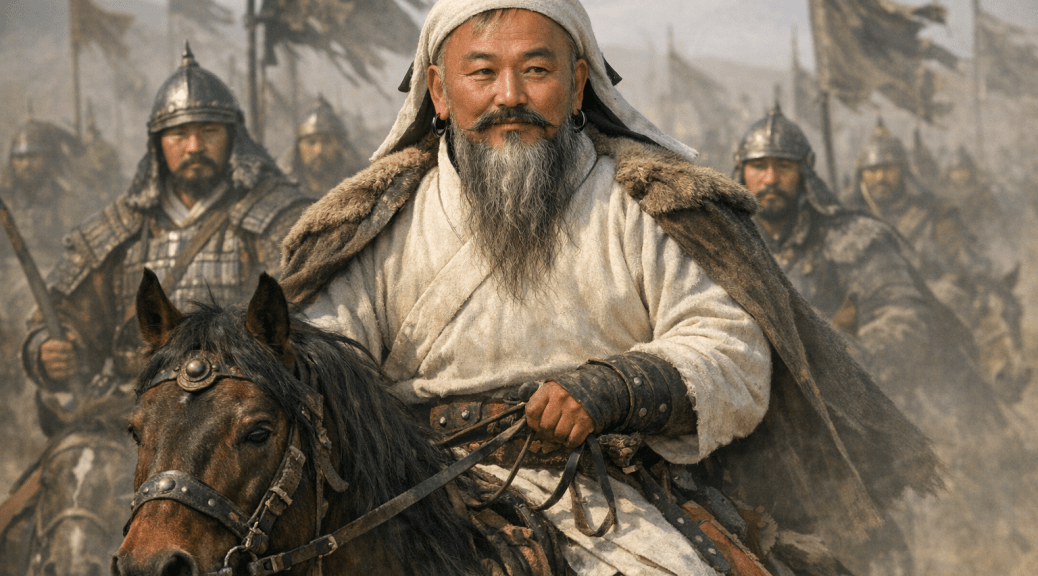
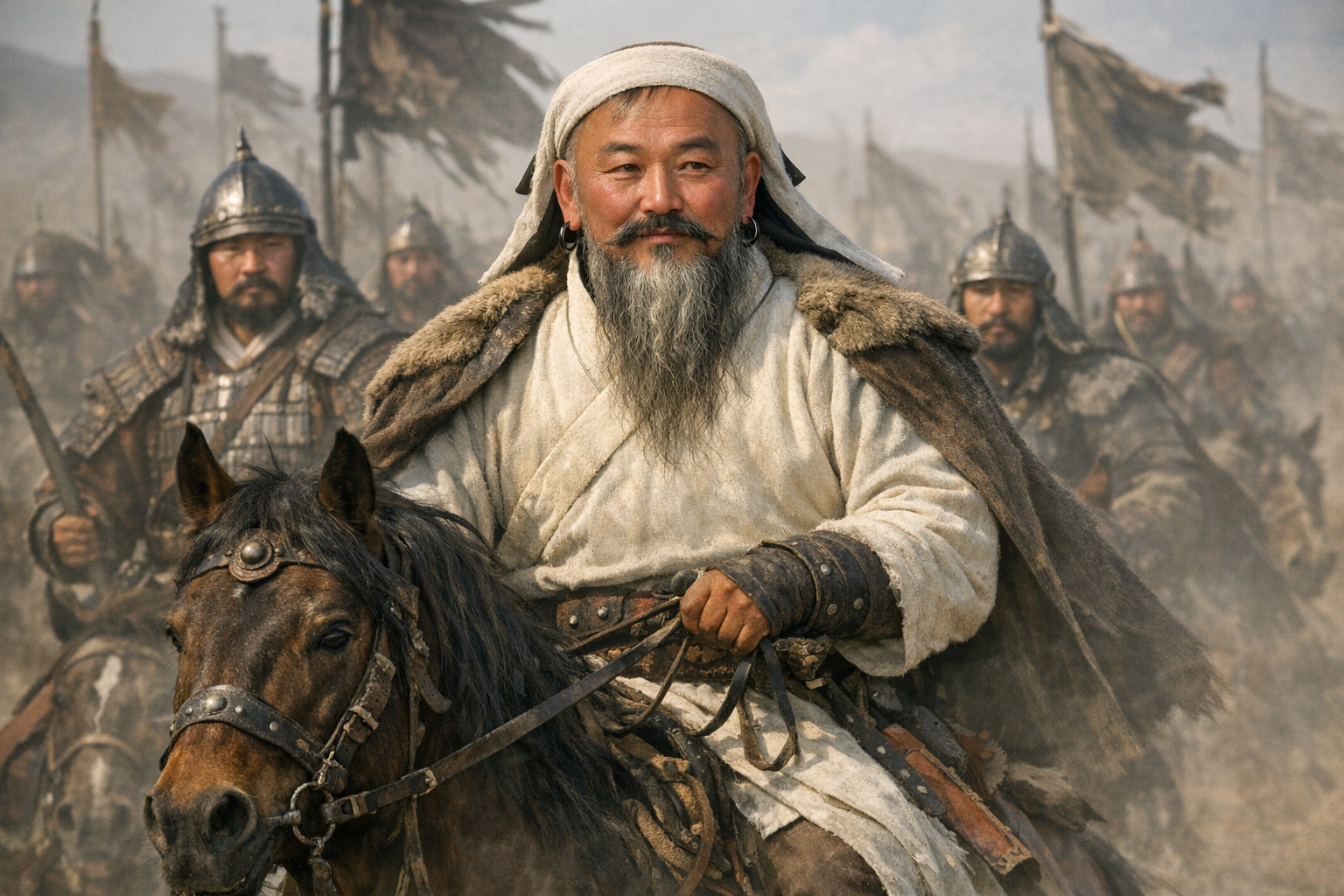


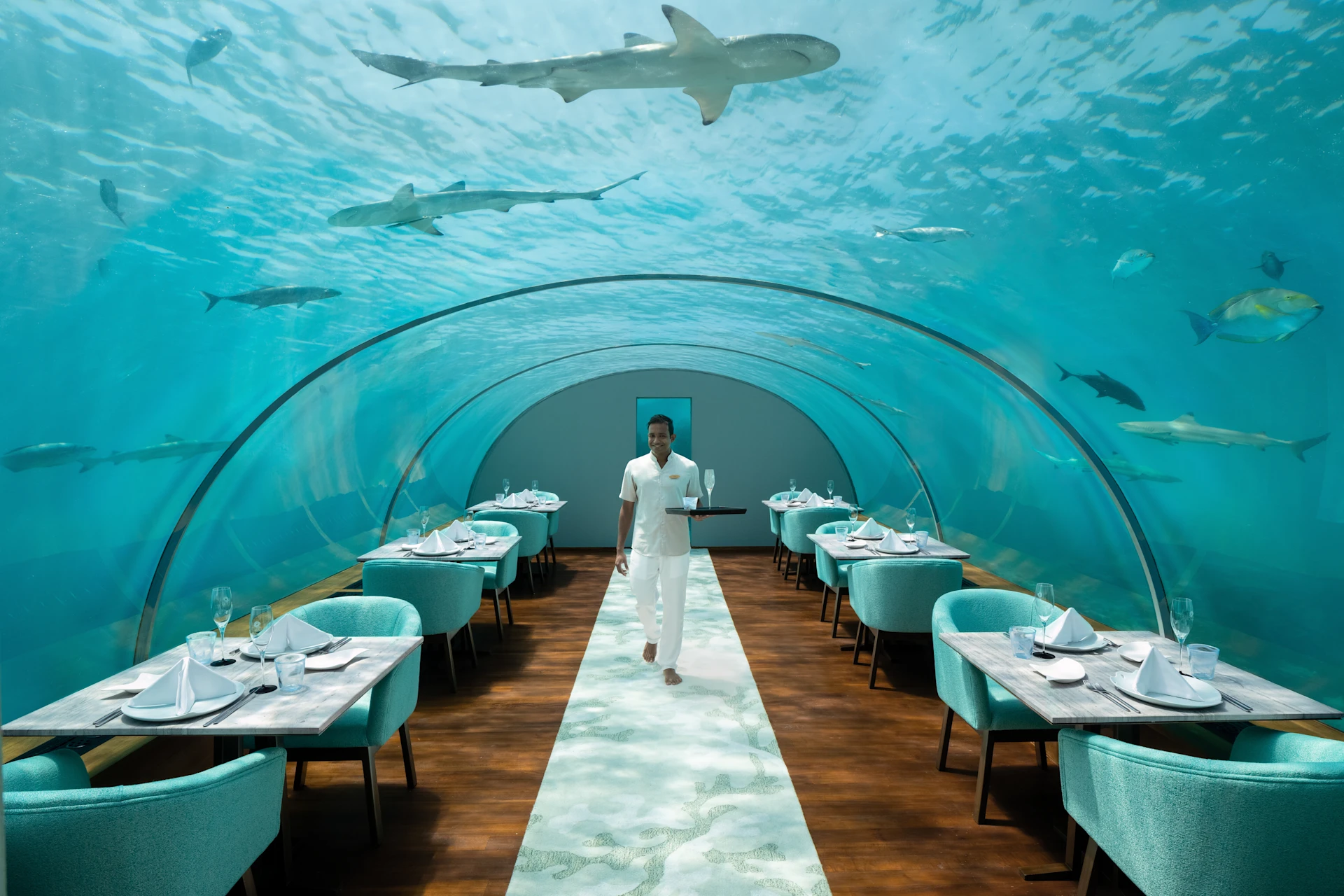
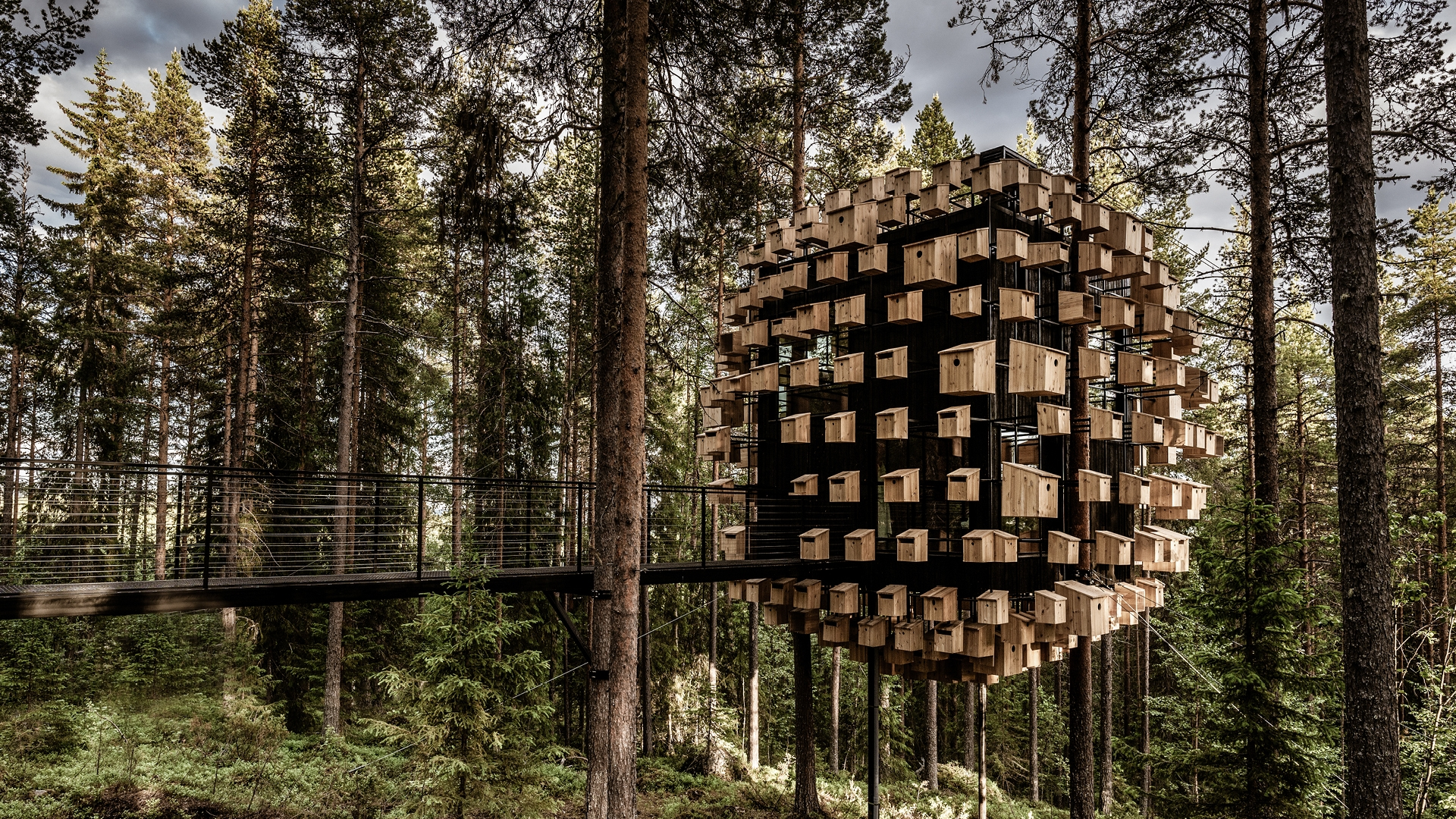
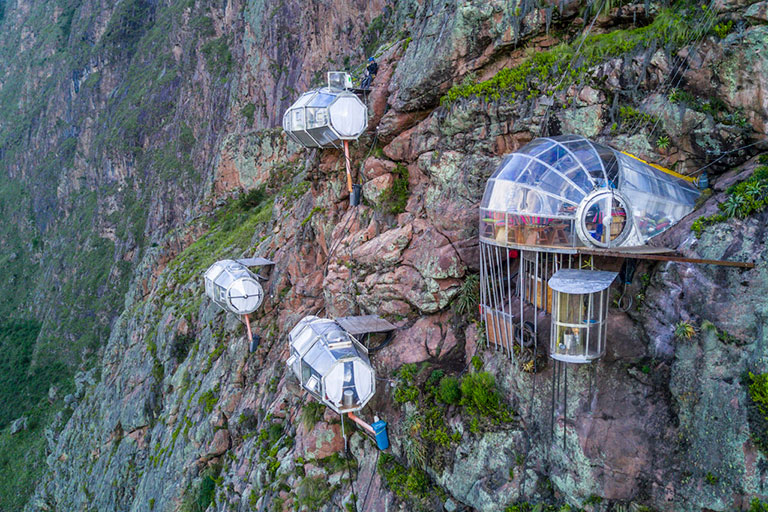

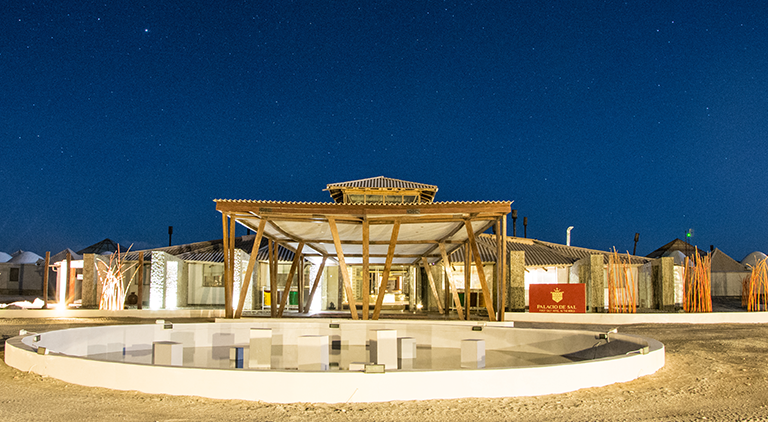

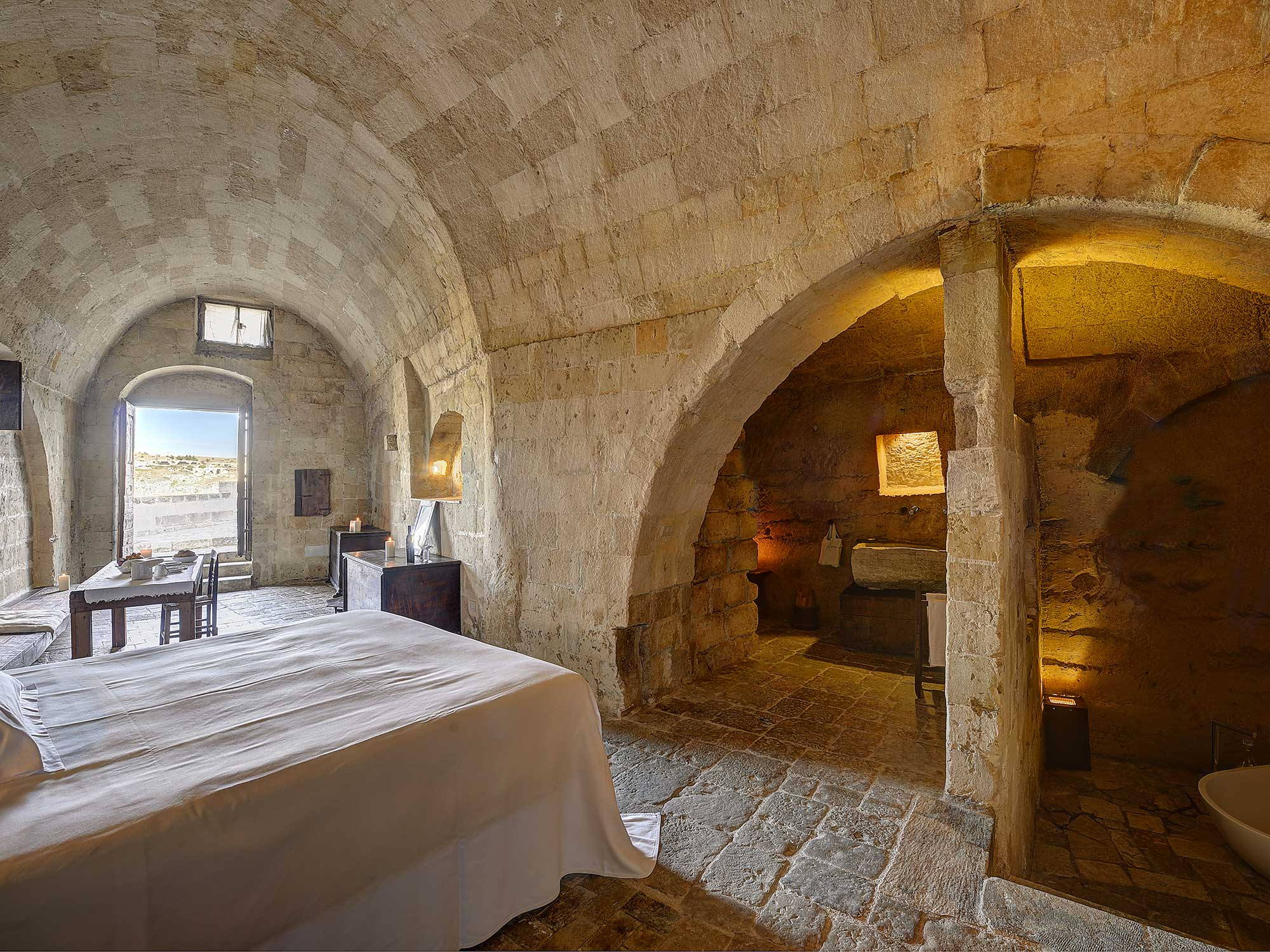
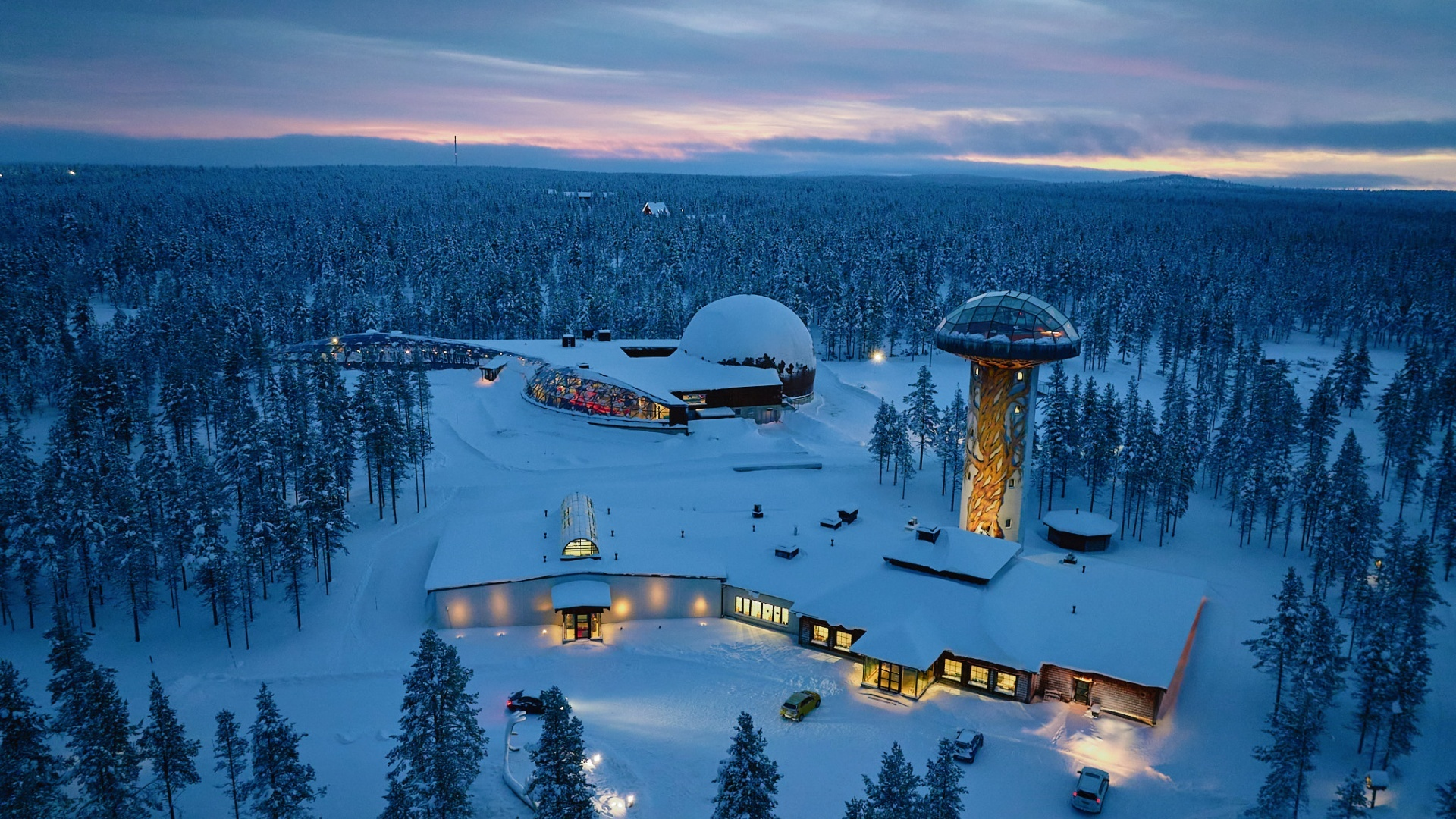
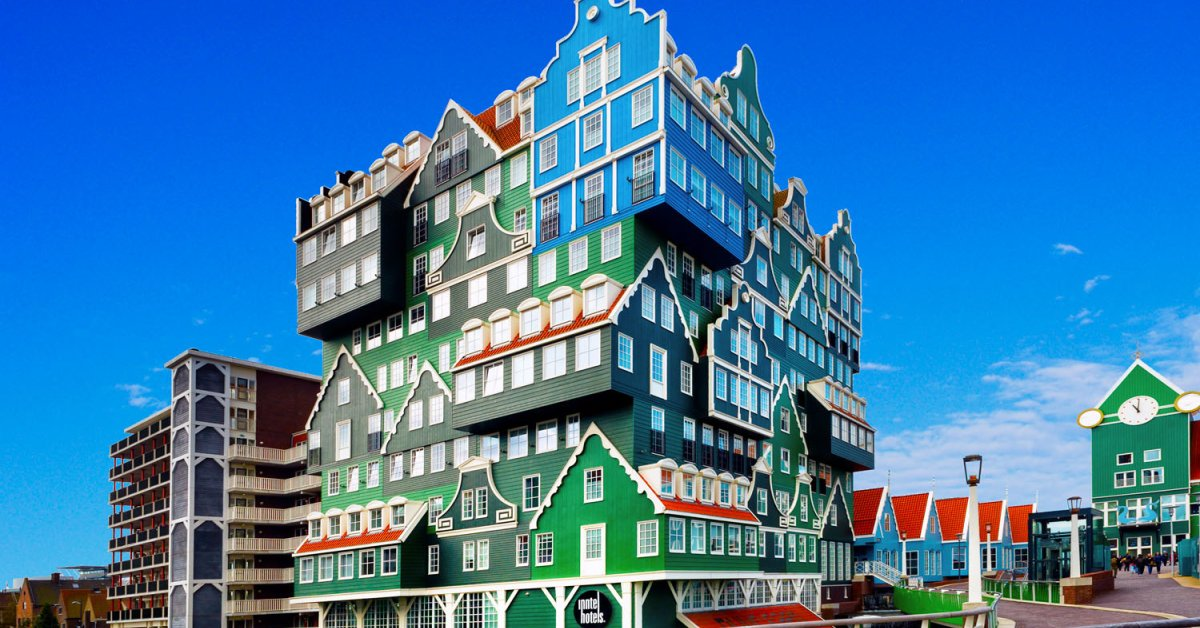

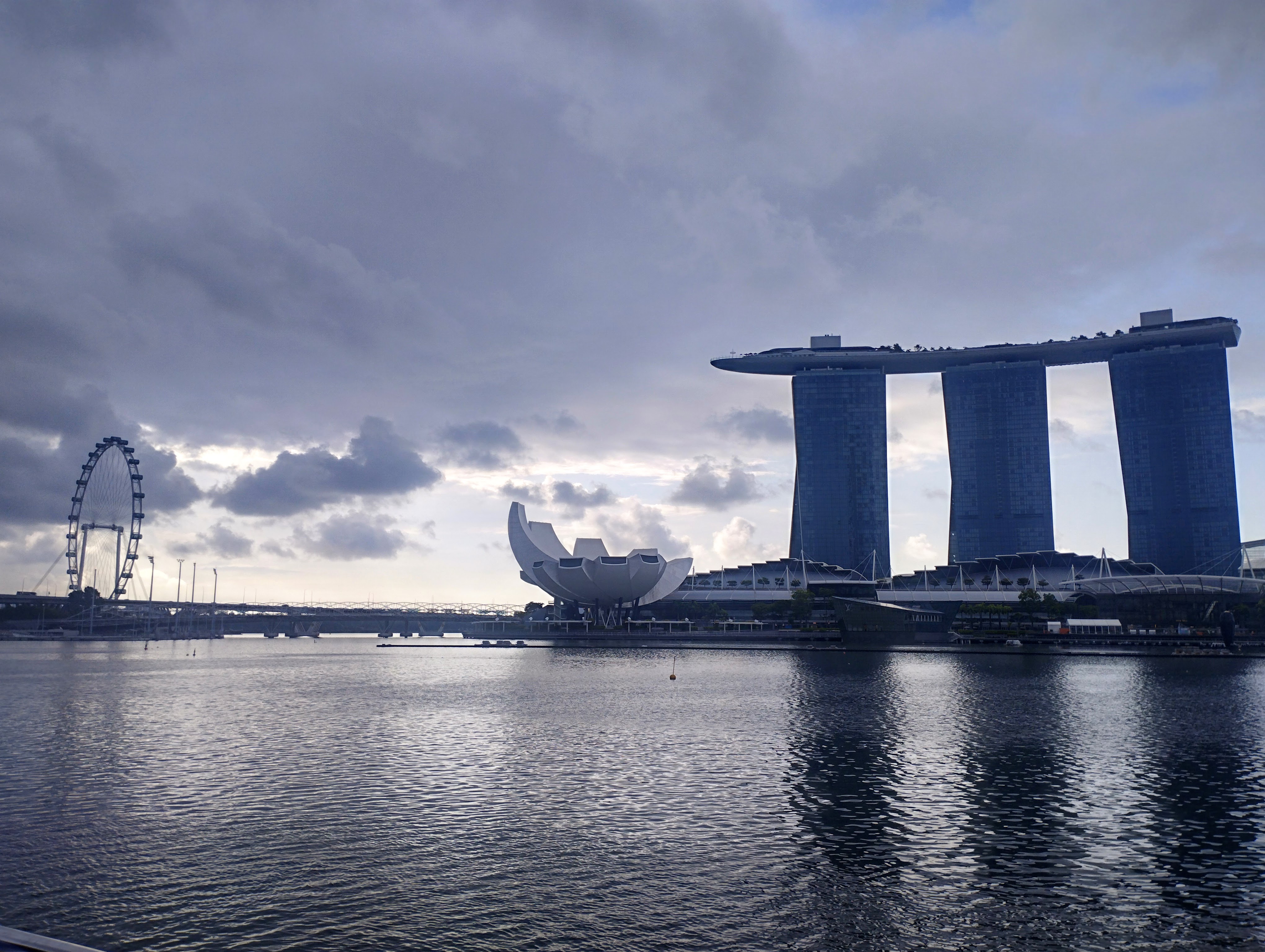



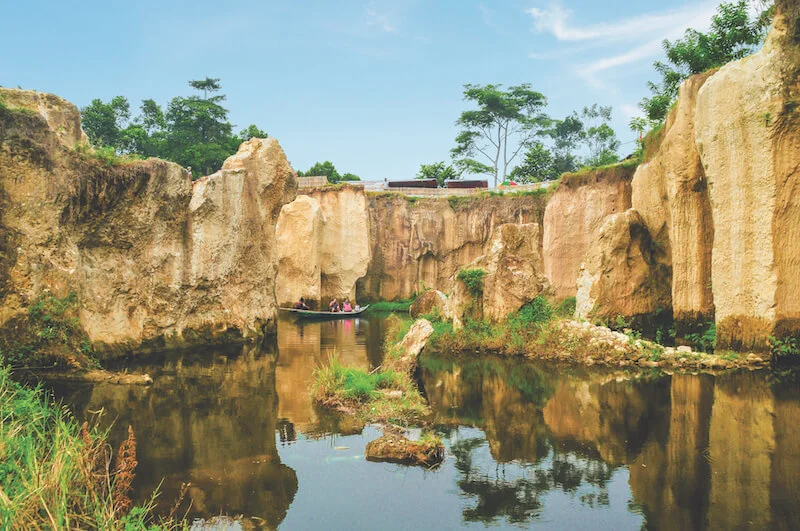
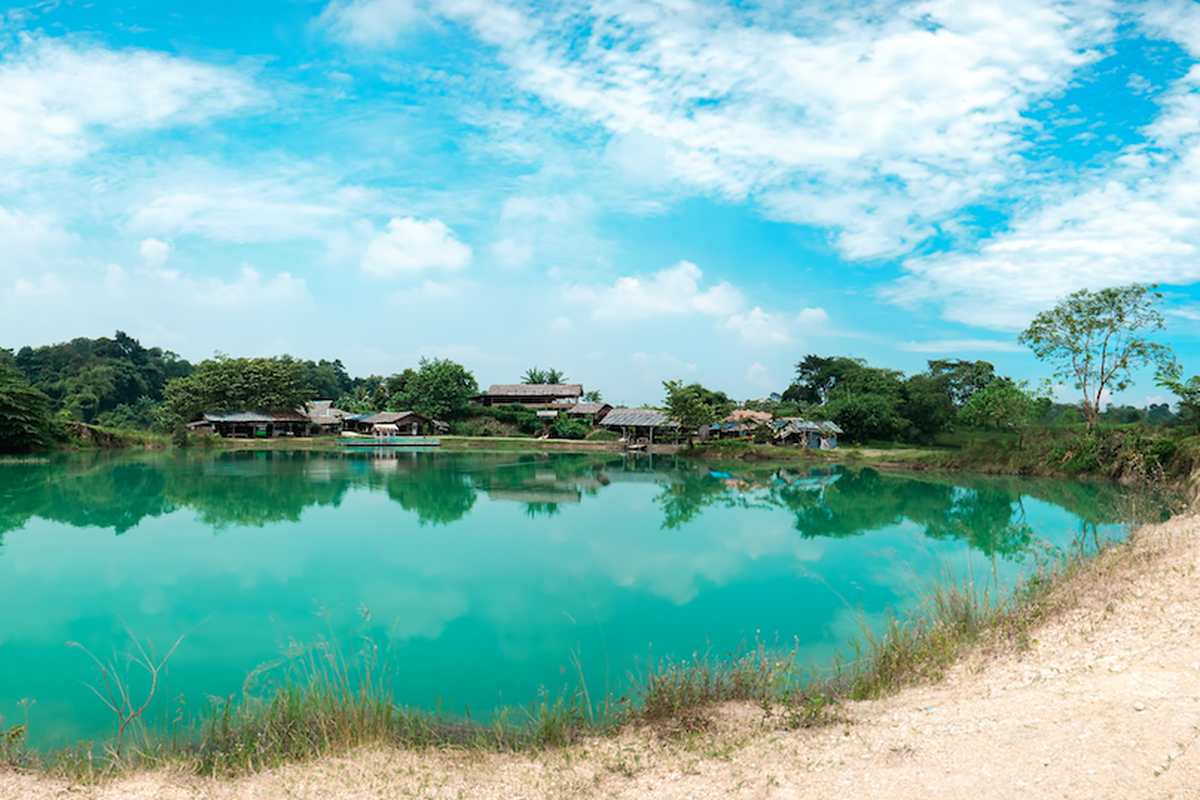

















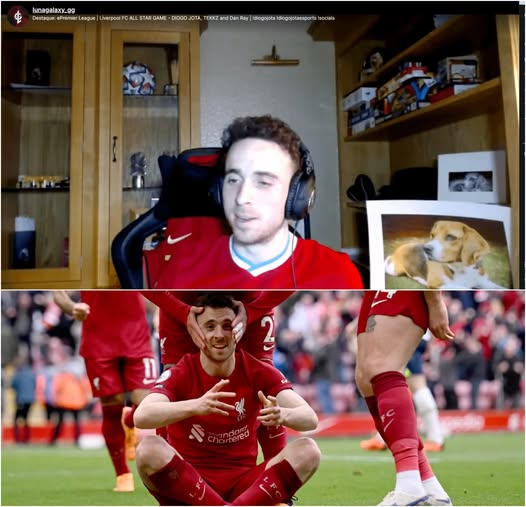
 ariesadhar.com