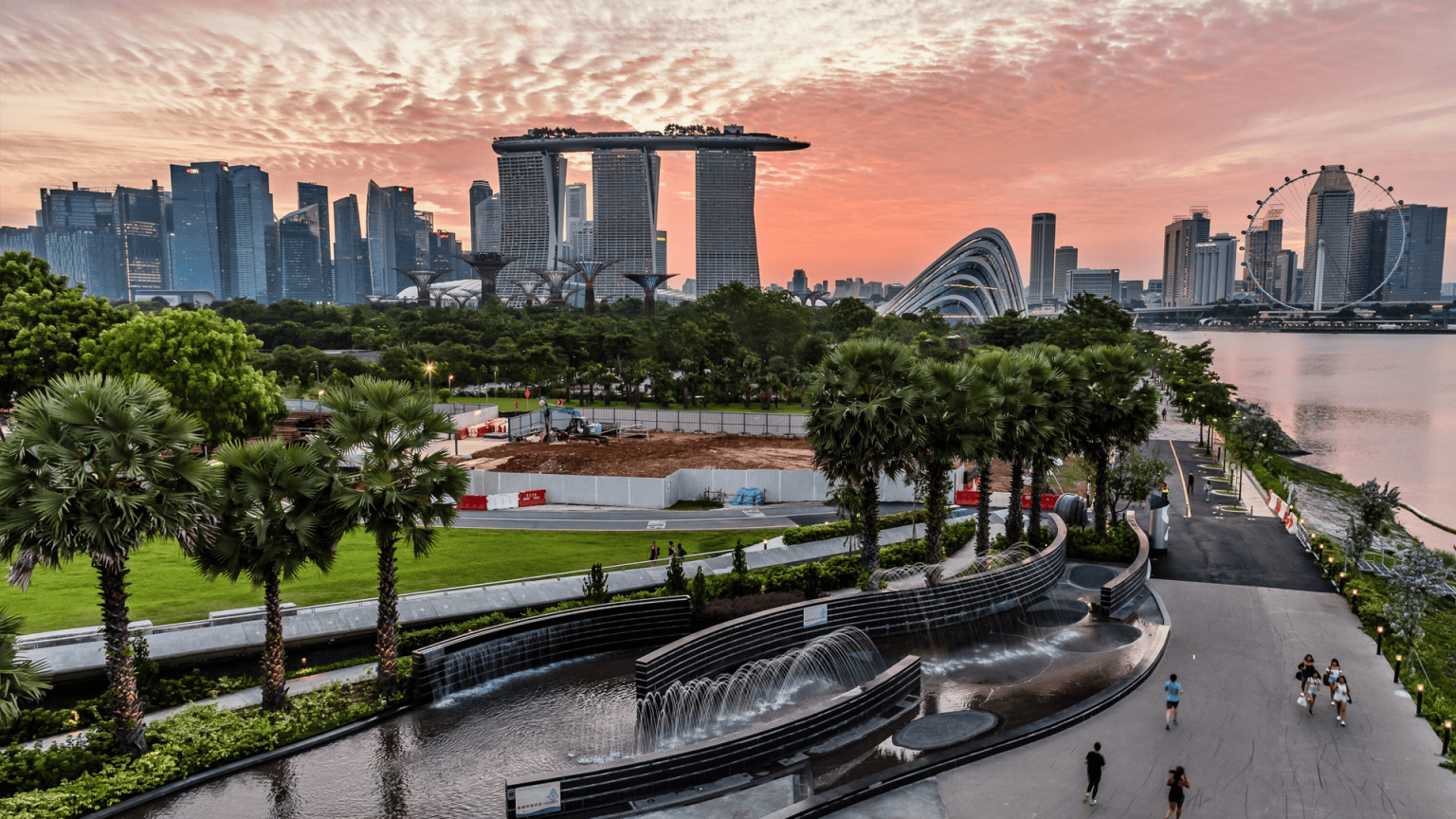
Forget generic lobbies and uniform floor plans. If you’re looking for a stay as memorable as the city, you have some truly surreal options. They are available around the world. You can sleep inside an airplane in a tropical rain forest. Another choice is to drift into a deep slumber 16 feet beneath the Indian Ocean. These hotels defy conventional architecture and logic.
You are an adventure seeker. You’re a design enthusiast. Or maybe you’re just someone who wants a morning coffee with a giraffe. If so, this is for you. Here are the 10 most unique hotels around the world for your 2026 travel bucket list.
Giraffe Manor (Nairobi, Kenya)
This 1930th-style manor house is world-famous for its resident herd of Rothschild’s giraffes. The long-necked residents often poke their heads through the windows during breakfast. They also do this as you relax in your room, hoping for a treat. It’s a rare, intimate meeting that blends colonial charm with wild conservation.
To make the most of your stay, book the Betty or Daisy rooms. These specific suites have balconies. You can feed the giraffes directly from your window. This can all happen before you even head down to breakfast. It’s perhaps the only place on Earth where a giraffe is your morning alarm clock.
The Muraka at Conrad Maldives (Rangali Island, Maldives)
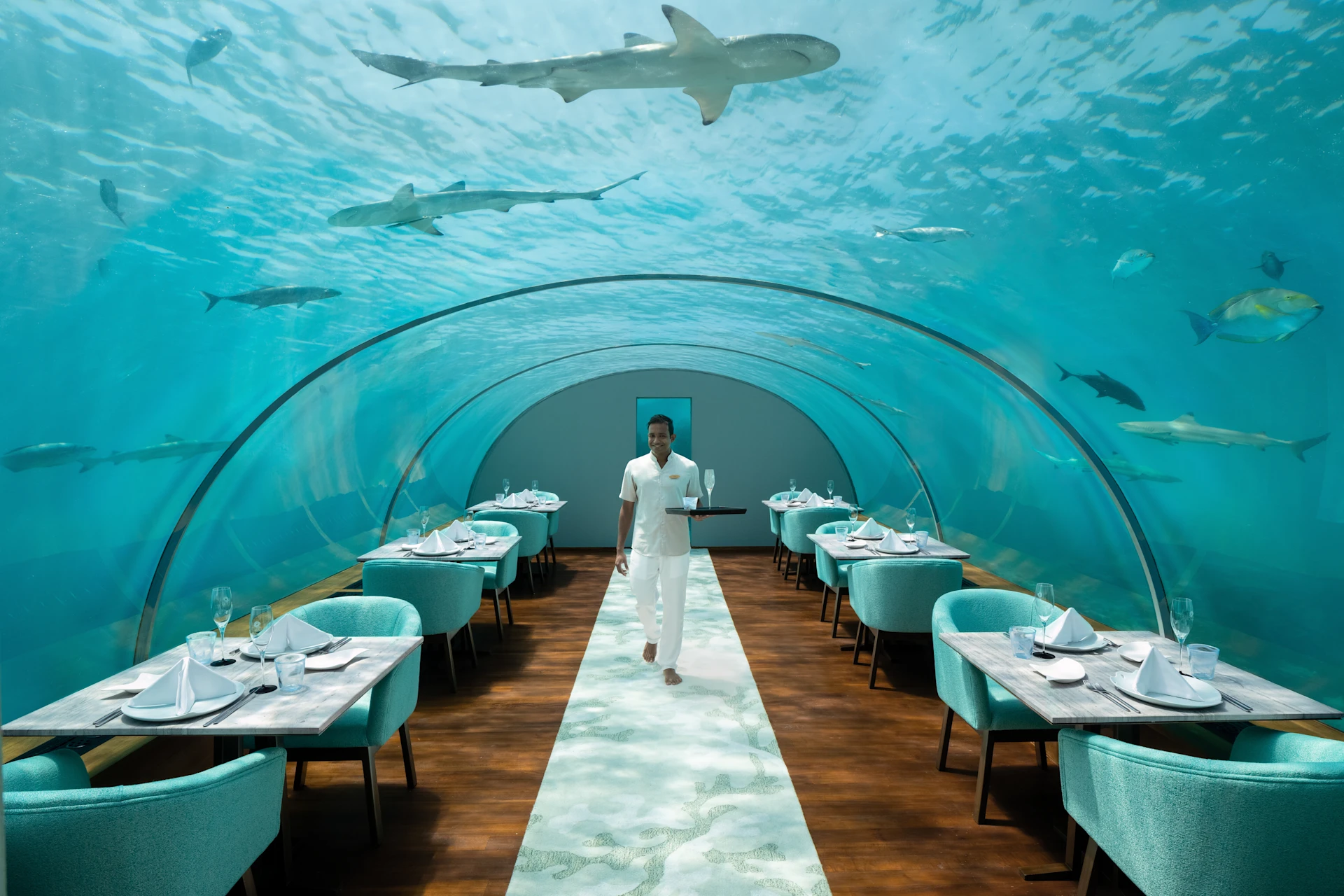
The Muraka is a two-level residence with a master bedroom submerged 16 feet below the Indian Ocean. You can fall asleep watching sharks and stingrays glide over your 180-degree acrylic dome ceiling.
Credit: Hilton
Beyond the view, the suite comes with a 24/7 dedicated butler and private chef. If the “underwater fantasia” feels too secluded, you can head to the upper deck to enjoy your private infinity pool. Alternatively, book a table at Ithaa, the resort’s underwater restaurant. Ithaa is consistently ranked as one of the most beautiful in the world.
Treehotel (Harads, Sweden)
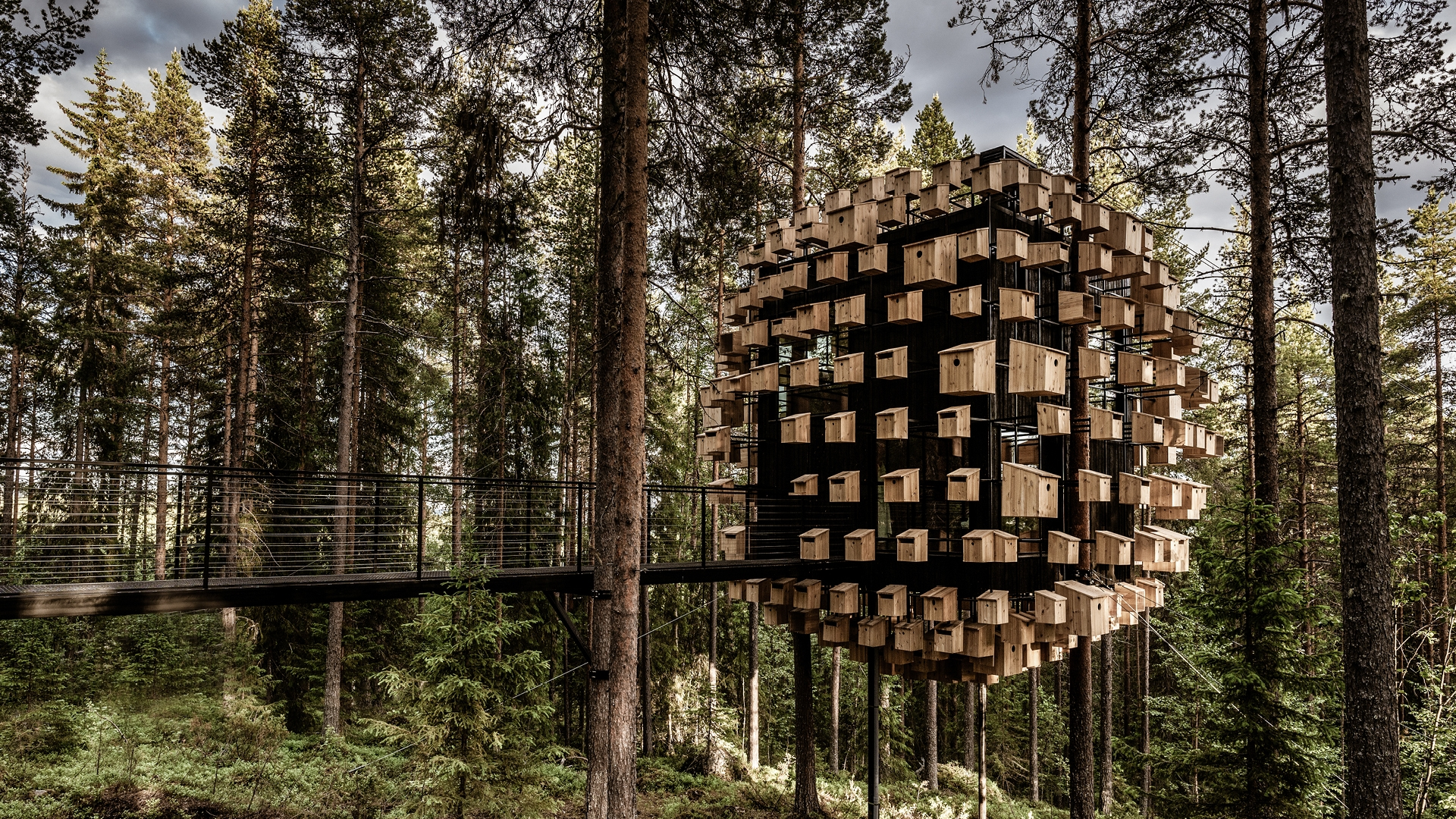
Located in a pine forest in Swedish Lapland, this hotel features high-concept “treerooms” designed by leading Scandinavian architects. Choose between a Mirrorcube that reflects the forest, a giant Bird’s Nest, or even a 1950s-style UFO.
Credit: Swedish Lapland
Check out the newest addition, The Biosphere, designed by BIG (Bjarke Ingels Group). The room is wrapped in 350 bird nests. It creates a symbiotic habitat. Guests can live in the heart of a bird sanctuary while enjoying a sleek, modern interior.
Skylodge Adventure Suites (Sacred Valley, Peru)
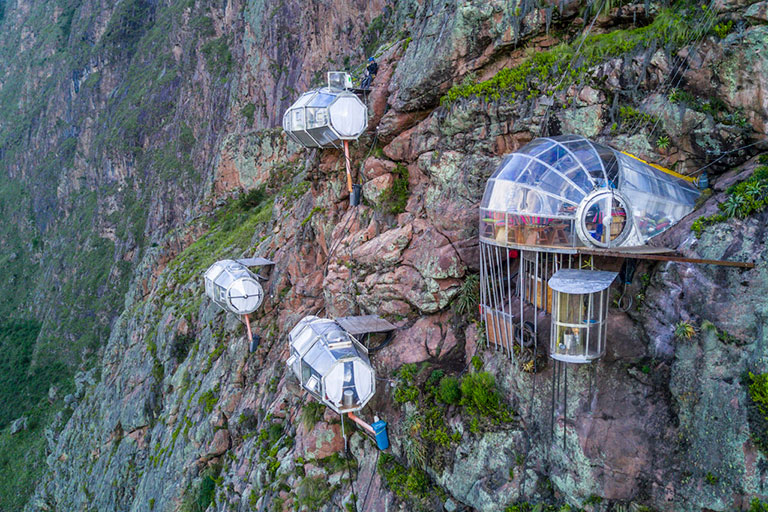
These transparent luxury capsules are bolted to a cliff side 400 meters above the Sacred Valley. To reach your bed, you need to hike a challenging trail. Alternatively, you can climb a vertical rock face via a via ferrata.
Credit: Natura Vive
The adventure doesn’t end with the climb. Your descent is via a zipline. It whisks you back down to the valley floor after sunrise. Dining here is equally extreme. Gourmet meals and wine are served on top of the capsules. You are securely harnessed to the structure.
Icehotel (Jukkasjärvi, Sweden)
The world’s original hotel made of ice and snow is rebuilt every winter. Each room is a unique art installation hand-carved by international artists using “snice” (snow and ice) from the Torne River.
Credit: Booking.com
For 2026, the Icehotel 36 rendition features a full-scale grand piano made entirely of ice. If you’re worried about the cold, you can opt for the year-round “Icehotel 365” section. It uses solar-powered cooling to keep the ice sculptures intact even during the summer.
Palacio de Sal (Uyuni, Bolivia)
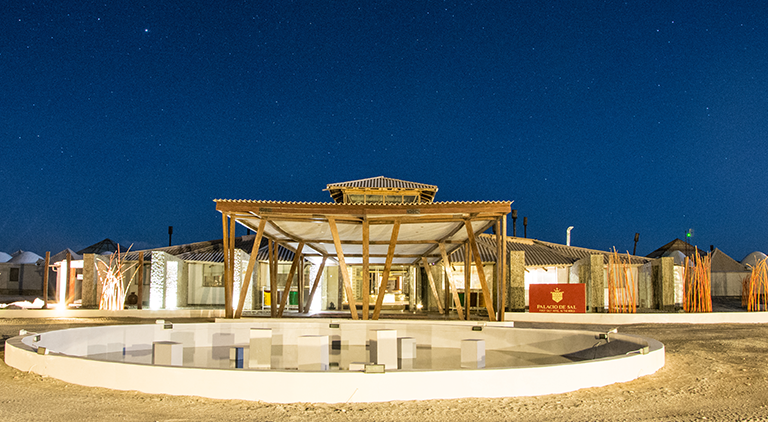
This hotel is located on the edge of the world’s largest salt flats. It is built almost entirely from one million blocks of salt. The construction includes the walls, floors, and much of the furniture.
Credit: Forbes
Visit the Andean Spa. It features a saltwater pool with a glass wall. This wall faces the vast, white expanse of the Salar de Uyuni. At night, the lack of light pollution turns the salt flats into a natural mirror for the stars. This effect makes the “Salt Palace” feel like a station on another planet.
Hotel Costa Verde (Manuel Antonio, Costa Rica)
This resort features a refurbished 1965 Boeing 727 airframe perched on a 50-foot pedestal in the jungle. The interior is paneled with local teak, and the wings serve as balconies.
Credit: Costa Rica Tourism
Staying here puts you at eye-level with the jungle canopy, meaning your neighbors are literally sloths, toucans, and monkeys. For dinner, head over to the on-site “El Avión” restaurant. It is a converted Fairchild C-123 cargo plane. This plane has its own fascinating history involving the Iran-Contra scandal.
Sextantio Le Grotte della Civita (Matera, Italy)
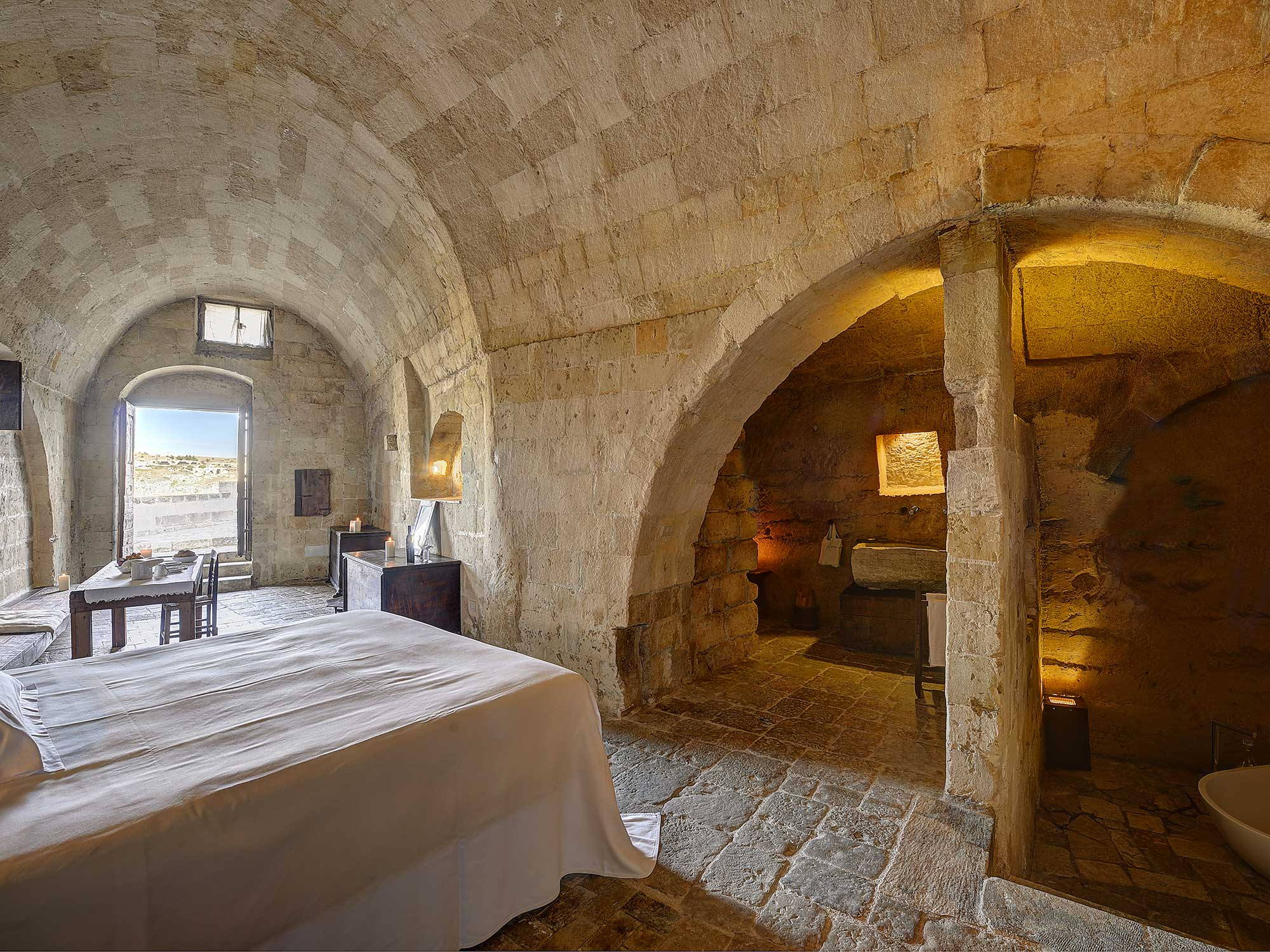
Stay in the ancient Sassi of Matera, a UNESCO World Heritage site. This hotel consists of restored cave dwellings that date back thousands of years, preserved with a radically minimalist design.
Credit: Sextantio
The hotel offers a “digital detox” atmosphere, using candles and soft floor lighting to highlight the ancient stone. For a truly spiritual start to your day, breakfast is provided in a 13th-century rock church. This church has been converted within the hotel complex and is called Cripta della Civita.
Kakslauttanen Arctic Resort (Saariselkä, Finland)
Famous for its Glass Igloos, this resort allows you to admire the Northern Lights from the comfort of your bed. The thermal glass prevents frosting, keeping the view crystal clear.
2026 is a “Solar Maximum” year. This means the Northern Lights will be more frequent. They will also be more vivid than they have been in over a decade. Book a stay during the spring or autumn equinox. This timing increases your chances of seeing the most intense aurora displays directly through your igloo roof.
This hotel looks like a stack of nearly 70 traditional Dutch houses. The “Lego-like” facade represents four distinct styles of local architecture, ranging from notary houses to worker cottages.
Look for the “Blue House” section on the corner of the facade. It was inspired by a painting Claude Monet created. He painted it while visiting Zaandam in 1871. Inside, the rooms extend the theme even more. They display historical photos and local motifs. These elements tell the story of the Zaan region’s industrial heritage.
Choosing the right hotel isn’t just about finding a place to sleep. It’s about choosing the kind of story you want to tell when you get home. You might find yourself waking up to a giraffe at your window in Kenya. Alternatively, you could be watching the Northern Lights from a glass igloo in Finland. These stays offer a rare perspective on the world. This is something a standard hotel room simply can’t match.
In 2026, travel is increasingly about these “once-in-a-lifetime” moments. Some of these locations need a bit of an adventurous spirit. You might even need a harness. However, the memories—and the photos—are guaranteed to last far longer than your tan. So, as you plan your next escape, think about trying something unusual. Step into a cave, a tree house, or a salt palace.
Finding a room to rent in Singapore involves more than scrolling listings. From understanding tenancy rules to choosing the right neighbourhood, this guide answers the questions most renters ask and gives actionable steps so you can move in with confidence.
What types of rooms are available and how do they differ?
Common offerings are master rooms, common rooms and studio-like units. A master room is typically the largest private sleeping area inside a shared apartment; it often includes an en suite bathroom and a larger wardrobe. A common room is a private bedroom that shares facilities such as a bathroom or kitchen with other occupants. Studio-like units and serviced rooms are self-contained and billed as a single unit rather than as part of a shared flat.
Rooms are offered in three main property categories: HDB flats, private condominiums and serviced apartments. HDB rooms are usually the most affordable and are commonly located in heartland estates. Private condo rooms cost more but commonly grant access to shared facilities such as a gym, pool and BBQ pits. Serviced units are the most expensive option and usually include utilities, internet and cleaning in the rent.
Below are concrete descriptors so you can match expectations to listings quickly.
Master room: larger floor area, sometimes en suite, priority for storage. Ideal for those who value privacy and a dedicated bathroom.
Common room: smaller than a master room, shares bathroom. Best for budget-conscious tenants comfortable with shared facilities.
Studio or serviced room: self-contained unit with private bathroom and kitchenette. Suitable for short-term stays or tenants who prefer minimal shared spaces.
When viewing, check exact floor measurements, window placement, ventilation and closet space. Those details determine whether a room functions well as both sleeping and working space. Confirm whether the room is furnished, what appliances are included and which facilities are shared. This clarity prevents surprises at move-in and ensures the listing aligns with your daily routine.
How much should you expect to pay with definitive price points
Singapore rent can feel opaque when presented as ranges. To be decisive, use these fixed price points as negotiation anchors for standard, furnished rooms in typical condition and in established neighbourhoods.
Master room in a central private condominium: SGD 1,900 monthly. This assumes a furnished room with en suite bathroom, access to condominium facilities and utilities billed separately. Expect to pay one month deposit and possible agent fees when applicable.
Master room in a suburban private condominium: SGD 1,350 monthly. The room is furnished and shares common living area and kitchen. Utilities are usually split among occupants and the landlord often includes water.
Common room in an HDB flat: SGD 900 monthly. This price reflects a furnished bedroom sharing a bathroom and common spaces. Utilities and internet are billed separately and split among tenants according to an agreed arrangement.
Studio or serviced unit: SGD 2,400 monthly. These are self-contained units with utilities and internet commonly included and cleaning services offered weekly. They are priced for convenience and short-term flexibility.
Use the price point closest to the property class and location. If a listing is well below these benchmarks, treat it as an outlier and conduct stricter verification before transferring funds. These fixed figures give you a clear baseline when filtering listings and forming offers with landlords or agents.
Which neighbourhood should you choose and why
Selecting a neighbourhood should be based on three priorities: commute time, lifestyle fit and budget. Start by mapping your daily commute and then weigh lifestyle needs such as dining, green spaces and nightlife. Each area below lists a precise reason to choose it.
Central Business District and Orchard — Choose these if your priority is a sub-30-minute commute to most central offices and frequent access to high-end retail and dining. The trade-off is higher rent and fewer large living spaces.
East Coast and Marine Parade — Ideal for those who want coastal parks and a family-friendly vibe while still being within 30 to 40 minutes of the CBD by public transport.
Bukit Timah and Holland Village — Best for expatriates and families seeking international schools, quiet streets and a neighbourhood feel. Expect mid to high rental levels and good access to nature reserves.
Toa Payoh, Ang Mo Kio and Jurong East — Practical choices when budget control is primary and you still require strong MRT and bus connectivity. These areas deliver predictable rental pricing and established amenities.
Practical tip: choose an area with an MRT station on at least one major line. A 10 to 20 minute walk or quick feeder bus to an MRT interchange reduces travel uncertainty and increases daily productivity. Confirm the actual travel time using live transit apps rather than quoted estimates from listings.
Documents, deposits and tenancy terms clarified step by step
Being document-ready speeds up approval and reduces friction. The essential documents and exact deposit norms are listed here so you can prepare immediately.
Required documents: locals provide NRIC; foreigners present passport and valid work or long-term pass; students provide admission letter and sponsor details where applicable; salaried tenants should have a recent payslip or employer letter. Agents will ask for these before drafting a tenancy agreement.
Deposit and tenancy terms: the standard security deposit for a room is one month’s rent, payable when signing the tenancy agreement. If you use an agent there may be an agency fee equivalent to half a month’s rent payable on successful placement. Tenancy lengths are normally fixed at six months or 12 months. Early termination requires a formal notice period—commonly one month—after the minimum tenancy period specified in the contract has lapsed.
Inventory and condition reporting: before handing over the deposit, complete a signed inventory with time stamped photos of the room, furniture, walls and appliances. Include clear notes on existing damage. The deposit may be withheld only for documented damage beyond reasonable wear and tear. For transparency, record the agreed deposit return timeframe in the tenancy agreement and ask for a bank details clause to speed refunds.
How to confirm landlord legitimacy and avoid scams with practical checks
Verifying the person you pay is as important as inspecting the property. Follow these mandatory checks to avoid scams and ensure a lawful tenancy.
Inspect owner identity and ownership documents Ask the landlord to show a government ID and a document proving ownership such as a property tax bill, strata bill for condos or HDB documents. If they refuse, do not hand over money. Photocopy or take a photo of the ID and ownership document for your records during the viewing.
Validate agent credentials Any agent representing the landlord must provide a Council for Estate Agencies registration number. Confirm this number on the CEA website before progressing. An unregistered agent is a high-risk factor and you should avoid transactions with them.
Search for duplicate listings Run the listing photos and descriptions on multiple portals. If the same listing appears with inconsistent contact details or with a price that shifts dramatically, pause and escalate verification. Genuine listings will typically be consistent across platforms or handled by a registered agent.
Never pay before signing Do not transfer deposits or rent before signing a written tenancy agreement. Use traceable bank transfers and insist on a receipt. Cash-only demands or pressure tactics are signals of potential fraud.
After completing these checks, perform an in-person viewing. Confirm that appliances work, that the room matches online photos and that the landlord or agent can answer questions about utilities, visitor policy and house rules. Trust your documentation rather than verbal promises.
Move-in checklist and practical negotiation tips that work
Arrive prepared and you can secure small concessions that matter. Before you collect keys have a fully signed tenancy agreement, an inventory checklist and a move-in time set with the landlord. On move-in capture time stamped photos of every room, open and test all appliances and sign the inventory together with the landlord.
Negotiation is effective when it is specific. Present two clear, reasonable proposals rather than open-ended requests. For example, offer to sign a 12 month lease in exchange for SGD 100 off monthly rent, or propose to pay two months’ rent in advance for a SGD 150 discount on the first month. Always demand that any concession be recorded in the tenancy agreement to make it enforceable.
Dispute resolution follows a measured path. First attempt informal written communication. If unresolved and the claim is under SGD 20,000, file at the Small Claims Tribunals and supply the tenancy agreement, receipts and the signed inventory. For agent misconduct, submit a complaint to the Council for Estate Agencies with supporting evidence. If HDB rules are breached by the owner, report to HDB with the relevant documentation so the authority can advise on remedial steps.
Final practical summary
Decide your priorities—budget, commute and lifestyle—then shortlist areas and room types. Verify landlord and listing legitimacy, insist on a signed tenancy agreement, document the property condition and set clear house rules. With preparation and the right documents you will secure a room rent within Singapore that meets your needs and ensure a smooth tenancy experience in Singapore.
The relationship between the Democratic People’s Republic of Korea (DPRK) and Zimbabwe is a lasting anomaly. It stands out in the global geopolitical landscape. This alliance was born from anti-colonial solidarity during the Cold War. It evolved into a deeply personal partnership. It became a pragmatic collaboration between two autocratic regimes. Their connection is defined by ideological affinity. It is marked by infamous military cooperation. The regimes share a common interest in evading Western-led international norms and sanctions. This report examines how the relationship evolved, beginning with Pyongyang’s support for Robert Mugabe’s liberation struggle. It highlights the alliance’s surprising resilience in the post-Mugabe era. The bond is not merely a Cold War relic. It is a partnership deeply institutionalized within Zimbabwe’s military apparatus.
Foundations of the Alliance: Cold War and Liberation
The North Korea-Zimbabwe relationship was forged in the geopolitical context of the Cold War and African decolonization. During this era, Pyongyang’s foreign policy was driven by its fierce competition with South Korea for international legitimacy. North Korea strategically positioned itself as a champion of the Third World. It offered significant military and civil aid to radical African states and anti-colonial movements. This support was both ideological and pragmatic. It was designed to secure political loyalties. Additionally, it aimed to advance its own national interests on the world stage.
This strategy led to its involvement in the Rhodesian Bush War. Pyongyang actively supported Robert Mugabe’s Zimbabwe African National Union (ZANU). It also supported its military wing, ZANLA. While the Soviet Union backed a rival faction, North Korea provided practical military training to ZANLA guerrillas. They trained them in hidden camps near Pyongyang. The training included the use of advanced weaponry and explosives. This early support created a deep political and emotional debt. When ZANU unexpectedly won the 1980 elections, North Korea was cemented as a key “war-time friend” of the new regime.
The core of the alliance was beyond strategic calculations. It was the powerful personal bond between Kim Il Sung and Robert Mugabe. It was also an ideological connection. As former guerrilla fighters turned autocratic leaders, they shared a common life experience that fostered mutual admiration and trust. Mugabe first visited Pyongyang in 1978 to seek military support. He deeply admired North Korea’s Juche ideology. He viewed it as a blueprint for post-colonial nations to achieve political and economic independence. This personal connection transformed a strategic alliance into a durable partnership.
After Zimbabwe’s independence in 1980, the alliance entered its most notorious phase. To strengthen his power against internal rivals, Mugabe leveraged his close ties with Pyongyang. In October 1980, he signed a military agreement with Kim Il Sung for an “exchange of soldiers.” This agreement laid the groundwork. North Korea was set to train a new elite brigade for the Zimbabwe National Army (ZNA). In August 1981, 106 North Korean military advisors arrived. They began training this unit. It became known as the Fifth Brigade.
The Fifth Brigade was explicitly designed for internal repression. The Brigade was comprised almost entirely of ethnically Shona former ZANLA fighters. It operated outside the normal military chain of command. The Brigade answered directly to Mugabe. It had its own codes, uniforms, and equipment, effectively making it a private army for the ruling ZANU-PF party.
From 1983 to 1987, the Fifth Brigade was deployed to the Matabeleland and Midlands provinces—strongholds of the rival ZAPU party—in an operation Mugabe named “Gukurahundi” (the early rain which washes away the chaff). Under the pretext of quelling a dissident movement, the brigade unleashed a systematic campaign of terror against civilians, resulting in an estimated 20,000 deaths.
The operation was marked by extreme brutality, including public executions, mass torture, and systematic rape. North Korea’s role was fundamental; its advisors provided the specific training, discipline, and tactical blueprint for this highly effective instrument of political repression.
Bronze, Bullets, and Hard Currency
After the Cold War, the relationship transformed from one of military and ideological patronage to a pragmatic economic partnership. The key actor in this phase was Mansudae Overseas Projects (MOP). MOP is the international commercial arm of North Korea’s state-run art studio. MOP became a vital tool for the Kim regime to earn desperately needed hard currency. They exported artists and laborers to build large-scale monuments in the distinct North Korean socialist-realist style.
The most prominent example in Zimbabwe is the National Heroes’ Acre in Harare. It is a 57-acre national monument and burial ground. Its construction began in 1981. The design was led by North Korean architects. It explicitly mimics the Revolutionary Martyrs’ Cemetery in Pyongyang. This design serves as a powerful ideological instrument. It physically cements ZANU-PF’s liberation narrative into the national landscape.
This “monument diplomacy” extended to other projects. It included two large statues of Robert Mugabe commissioned for a total of $5 million. This provided a direct stream of foreign currency to the heavily sanctioned North Korean regime. These activities have drawn international scrutiny, with UN experts investigating Zimbabwe for potential sanctions violations.
An Enduring Partnership in the Modern Era
The alliance’s resilience is one of its most remarkable aspects. Both nations became increasingly isolated. North Korea faced isolation for its nuclear program. Zimbabwe was isolated due to human rights abuses. Their shared status as “pariah states” reinforced their bond. This created a sense of common cause in opposing a Western-dominated international order.
The 2017 ouster of Robert Mugabe and the rise of his longtime ally, Emmerson Mnangagwa, did not sever these ties. This continuity showed that the relationship was not merely personal to Mugabe. It was institutionalized within the ZANU-PF and military elite. Many in these groups, including Mnangagwa, have their own histories with North Korea dating back to the Gukurahundi era.
A clear signal of this continuity came in February 2018, just months after Mugabe’s removal. A high-level Zimbabwean military delegation made an official visit to Pyongyang. This raised concerns about violations of UN sanctions prohibiting military cooperation. The two nations continue to exchange formal diplomatic messages, reaffirming their wish to strengthen bilateral relations.
Conclusion
The North Korea-Zimbabwe relationship offers a compelling case study. This alliance has adapted through global geopolitical shifts. It has endured international isolation and leadership transitions. It changed from a partnership based on shared anti-imperialist ideology. The relationship is now a pragmatic alliance of survival. It is rooted in a common history and mutually reinforcing regime interests. There are deep institutional ties within Zimbabwe’s ruling party and military. These ties suggest resilience. Even though it is largely symbolic, this axis is to persist as a lasting legacy of its Cold War origins.
This text was compiled with the assistance of Deep Research Gemini.
Under the warm Portuguese summer sky, just outside Porto, on June 22, 2025, Diogo Jota’s face radiated pure joy. It was practically visible. Rute Cardoso’s joy was also clear. Their happiness was tangible. Diogo and his childhood sweetheart Rute, were celebrating at a beautiful estate – a truly happy, well-deserved moment. They had met as teenagers. Their love story was a quiet constant. It predated the fame, the stadiums, and the roar of the crowd.
Now, after more than a decade together, they were finally married. Their three young children were witnesses: sons Dinis and Duarte, and an infant daughter born just the past November. The celebration marked the peak of a life well-lived. Just weeks prior, Jota stood on the hallowed Anfield turf as a Premier League champion. The medal glinted around his neck. He celebrated Liverpool’s monumental 2024-25 title win with his loved ones. Before that, in early June, he lifted the UEFA Nations League trophy with his homeland. It was his second time, as he was a crucial member of Portugal’s remarkable generation. At 28, he had achieved every aspiration he had ever held and striven for.
Then, in the predawn stillness of Thursday, July 3, 2025, the world awoke to an incomprehensible silence. The news spread with the cold, brutal speed of modern tragedy: Diogo Jota was gone. He had been killed in a car accident. Tragically, he died alongside his younger brother, André Silva (26). Silva was also a professional footballer for the Portuguese club Penafiel.
The details, when they emerged, were stark and devastating. The brothers were traveling in a Lamborghini on the A-52 highway near Zamora in northwestern Spain. Shortly after midnight, the vehicle veered off the road. It then burst into flames. There were no other cars involved. Spanish police initially investigated the incident. They identified a catastrophic tyre failure during an overtaking maneuver as the cause. The fire was so intense that by the time emergency services arrived, the vehicle was unrecognizable.
The shock wave was immediate and profound. It was a loss so sudden, so contrary to the joyful narrative of the earlier weeks, that it felt surreal. The football world, so often a theater of tribal rivalries, united in a single, heartbroken voice. Cristiano Ronaldo, his international captain and teammate, captured the collective bewilderment. “It doesn’t make sense,” he wrote. “Just now we were together in the National Team, just now you had gotten married”.
Jürgen Klopp, the manager who brought him to Liverpool. He molded him into a world-class striker. Klopp remembered him as an “exceptional player, exceptional boy.” He described him as a “perfect signing”. Liverpool’s new manager, Arne Slot, spoke not as a coach. He spoke as a fellow human being. He said his first thoughts were those of a “father, a son, a brother.” He felt deep empathy for a family experiencing an “unimaginable loss”. A life reached its absolute peak with a new marriage, a league title, and a young family. Its violent, instantaneous end transformed a sports story. It became a human tragedy of almost unbearable poignancy. It was not just the loss of a great footballer. It was the loss of a future filled with promise. A story that would now stay forever unfinished.
To understand the player Diogo Jota became—the relentless “pressing monster,” the “mentality monster”—one must first understand the boy he was. His story did not begin in the polished, prestigious academies of Portugal’s footballing elite. It began on the modest streets of Gondomar, which is a municipality near Porto. From the age of nine until he was 17, he played for the small local club, Gondomar SC. This was not a pathway to stardom. It was a childhood passion. His family’s commitment sustained it. They paid a fee of €20 a month just so he could train.
Throughout his youth, Jota was consistently overlooked. He had trials at the giants, Benfica and Porto. However, he was always rejected. He was deemed too small and physically underdeveloped to compete at the highest level. He would later recall, “I was one of the better ones.” However, he was never the best. This statement dripped with the humility that would define his character. This repeated rejection became the crucible in which his greatest strengths were forged.
He did not have the physical advantages of his peers. Therefore, he developed other, more subtle weapons. These included a superior footballing intelligence, a ferocious work rate, and an unshakable determination. His playing style was a direct consequence of these early struggles. It was a survival mechanism. Later, it would be mistaken for mere talent. The player who would one day terrorize Premier League defenses was not born, but made, in the shadow of rejection.
His first significant step came in 2013 when he signed for the youth setup of Paços de Ferreira. Yet even this breakthrough was fraught with peril. During his medical, a heart condition was detected. This diagnosis temporarily halted his training. It threatened to end his career before it had even begun. Displaying the quiet fortitude that would become his trademark, he waited for further tests, which eventually cleared him to play.
Once on the pitch, his ascent was rapid. He was promoted to the senior squad. He made his debut at 17. Soon, he announced himself to the wider Portuguese footballing world. On May 17, 2015, he scored a brace against Académica de Coimbra. He became the youngest player in Paços de Ferreira’s history to score in the top flight. His performances showcased a blend of sharp movement. This clinical finishing attracted the attention of Spanish powerhouse Atlético Madrid. They signed the 19-year-old in 2016. The boy from Gondomar, who once had to pay to play, had arrived on the European stage.
The Molineux Miracle: From the Second Tier to European Nights
Jota’s move to Atlético Madrid seemed like the dream’s next step. However, his time in the Spanish capital became a curious interlude. It was a defining moment in his career. Despite a transfer fee of around €7 million, he never played a single competitive match for Diego Simeone’s side. Instead of being a setback, this period proved to be a catalyst.
He was immediately loaned back to his home country to play for FC Porto for the 2016-17 season. There, he worked under a manager pivotal to his career: Nuno Espírito Santo. At Porto, he showcased his growing maturity. He scored nine goals, including his first in the UEFA Champions League. He established himself as a versatile and intelligent forward.
What happened next was a move that baffled many but revealed the depth of Jota’s character and strategic thinking. In the summer of 2017, he chose to swap Champions League football for the English second tier. He joined Wolverhampton Wanderers on loan to reunite with Nuno. This decision showed his priority for a trusted manager and a specific project.
He valued these over the superficial prestige of a bigger club. This demonstrated a rare maturity. As Wolves’ chairman Jeff Shi would later remark, Jota possessed the clarity and decisiveness of a future CEO. It was a calculated risk, a step back that would propel him two giant leaps forward.
His impact at Molineux was nothing short of transformational. In a league known for its brutal physicality, the “small” forward from Portugal thrived. He became the focal point of Nuno’s attack, his intelligence and clinical finishing cutting through Championship defenses. He concluded the 2017-18 season as the club’s top scorer. He achieved a career-best 17 league goals. This performance fired Wolves to the title and a long-awaited return to the Premier League. He was not just a loan player. He was a “modern hero of Molineux.” Fans adored him for his on-pitch warrior spirit. They loved his humble, down-to-earth personality.
The transition to the Premier League was seamless. Jota was instrumental in Wolves achieving consecutive seventh-place finishes, a remarkable feat for a newly promoted side. It was on the European stage, however, that he truly announced his arrival as a world-class talent.
During the 2019-20 Europa League campaign, he delivered a series of stunning performances. Most notably, he scored back-to-back hat-tricks against Beşiktaş and Espanyol. This was a first in the club’s history. His 13-minute treble against the Turkish side was the fastest European hat-trick ever for Wolves. It is a record that may never be broken. This incredible run of form earned him his first senior cap for Portugal in November 2019. It cemented his journey from an unknown loanee in the Championship to one of the most coveted forwards in Europe.
Anfield’s “Mentality Monster”: Conquering the Kop
In September 2020, Liverpool made their move. They signed Jota for a fee reported to be between £41 million and £45 million. At the time, some viewed him as an expensive backup. He was considered for the club’s legendary front three of Mohamed Salah, Sadio Mané, and Roberto Firmino. It took him almost no time to shatter that perception. Jürgen Klopp, who later admitted Jota was even better than he had expected, was thrilled by his potential.
The Portuguese forward scored just eight minutes into his Premier League debut for the Reds. He went on to score seven goals in his first ten appearances. This feat had not been managed by any Liverpool player since Robbie Fowler. The Kop had a new hero. There was a new chant for him. It went:
“He’s a lad from Portugal. Better than Figo. Oh, his name is Diogo!”
Jota was, in many ways, the definitive Klopp player, a perfect fusion of technical quality and relentless intensity. His playing style was a complex tapestry of elite attributes. He mastered movement. He “ghosted into space” that others couldn’t see. As a classic poacher, he frequently made late runs into the box. His exceptional two-footed finishing made him incredibly difficult for defenders to anticipate. Of his 63 Premier League goals, 31 came from his stronger right foot. A remarkable 22 were scored with his left. Added to this was an extraordinary aerial ability.
Standing at just 5’9″, he was not physically imposing. However, he scored 10 headed goals in the league. This was a testament to his phenomenal leap and impeccable timing. But what truly endeared him to Klopp and his staff was his work rate. He was, as assistant manager Pep Lijnders famously described him, a “pressing monster.” He led the defensive effort from the front with a tenacity that embodied the team’s philosophy.
This unique skill set translated directly into silverware. Jota was essential to Liverpool’s domestic cup wins. He helped win the FA Cup in 2022. He also contributed to the Carabao Cup victories in 2022 and 2024. His performance in the 2022 Carabao Cup semi-final against Arsenal was remarkable. He scored both goals in a 2-0 victory. It was a clear display of his ability to deliver in high-stakes moments. The crowning glory of his club career came in May 2025. That was when he finally got his hands on the Premier League trophy.
Fittingly, his last ever goal for Liverpool was a decisive, trademark strike. It was a poacher’s finish to win the Merseyside derby against Everton. This goal proved crucial in the title race.
His time at Anfield was, however, a constant battle with his own body. He missed a total of 99 games for club and country during his Liverpool tenure. This was due to a litany of muscular problems, knee injuries, and calf issues. This persistent struggle with injuries makes his final tally of 65 goals in 182 appearances remarkable. It is a testament to his ruthless efficiency when fit. He was a player who, despite the physical setbacks, always found a way to make a decisive impact.
A Nation’s Pride: The Red and Green of Portugal
For his country, Diogo Jota was a vital component of one of its most talented generations. He finished his international career with 49 caps and 14 goals. He established himself as a trusted and versatile attacking option alongside the legendary Cristiano Ronaldo. Although he was not always the headline star, his intelligent movement offered a different kind of threat. His clinical finishing acted as a tactical key capable of unlocking the most stubborn defenses.
His international career was decorated with significant success. He was part of the squad that won the inaugural UEFA Nations League in 2019. At that time, he was still a Wolves player. He played a crucial role in Portugal repeating the feat in June 2025. This victory would tragically become his final act in a Portugal shirt. He represented his nation at two European Championships, in 2020 and 2024. At the delayed Euro 2020, he was a regular starter. By Euro 2024, with a boom in Portuguese attacking talent, he had transitioned into a valuable impact substitute. He performed this role with his typical professionalism.
However, Jota’s international story, much like his club career, was also marked by heartbreaking misfortune. He sustained a severe calf injury in October 2022. This injury cruelly robbed him of the chance to play in the 2022 World Cup in Qatar. This was not just a personal blow; it was a significant tactical loss for the national team.
In their quarter-final exit, Portugal lost 1-0 to a deeply organized Morocco side. They desperately missed a player with Jota’s unique ability to find space in crowded penalty areas. He also convert half-chances. His absence was keenly felt. It was a poignant “what if” in Portugal’s campaign. This underscored that his value to the team went far beyond his statistics. He was a problem-solver, and in their moment of greatest need, he was the solution they did not have.
Beyond the Pitch: The Gamer, The Husband, The Father
Away from the floodlights and the manicured pitches, Diogo Jota lived a life defined by quiet passion and deep devotion. To many, he was known almost as much for his exploits in the virtual world as in the real one. He was an avid and exceptionally skilled gamer, particularly with the EA Sports FIFA franchise. This was no casual hobby. He was a world-class competitor. During an injury layoff in 2021, he achieved the rank of No. 1 in the world in the highly competitive FUT Champions mode.
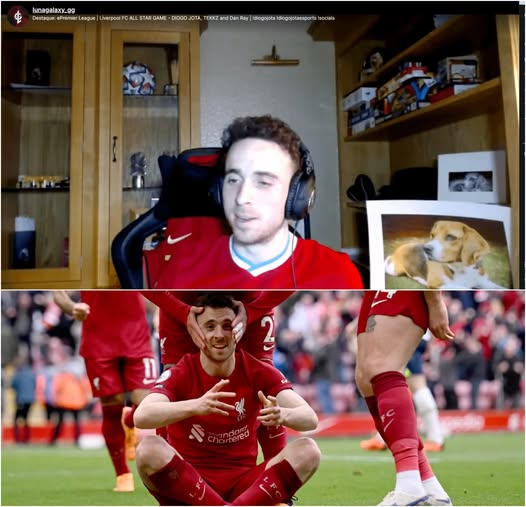
His passion extended into an entrepreneurial venture with the creation of his own e-sports organization, Luna Galaxy. This excellence in gaming was not a separate interest but a parallel expression of his footballing mind. The rapid cognitive processing, spatial awareness, and clutch decision-making are needed to compete at the highest level of e-sports. These attributes are the very same ones that made him such an intelligent and deadly attacker.
The true center of his world, nevertheless, was his family. His relationship with Rute Cardoso was the anchor of his life. Their love story began in a classroom in Porto. They were just teenagers then. This happened long before he was a household name. She was his constant. She provided unwavering support and followed his career from Paços de Ferreira to Wolverhampton and finally to Liverpool. In each new city, she created a home for their growing family.
As mentioned before, he was a doting father to their three children. Social media posts showed a man who cherished his domestic life. He was a global superstar grounded by the simple joys of fatherhood.
It is this profound personal happiness that makes the timing of the tragedy so utterly cruel. The wedding on June 22 was the culmination of a 13-year partnership. In the aftermath of his death, their final social media posts became heartbreaking digital artifacts. A video Rute posted of their wedding day was captioned, “Sim, para sempre” – “Yes, forever”.
Jota’s own final Instagram post was a highlights reel from the wedding, captioned simply, “A day we will never forget”. In the hours and days that followed the crash, the world tried to process the news. During this time, Rute’s post was viewed over 40 million times. This was a testament to the immense public outpouring of empathy for a love story so brutally interrupted. A future that had just been formally consecrated was, in an instant, stolen forever.
A Legacy Etched in Red
In the wake of the tragedy, the tributes poured in from every corner of the globe. They spoke not only of a great player. They also spoke of a deeply loved and respected man. Current and former teammates shared messages of profound grief. These messages came from Liverpool’s Darwin Nunez and Harvey Elliott to Portugal’s Bruno Fernandes and Wolves’ Rúben Neves. Club legends like Sir Kenny Dalglish and rival clubs expressed their shock and sorrow. Even global figures from outside football, like NBA star and Liverpool part-owner LeBron James, were shocked and saddened. This response measured the universal esteem in which he was held.
Diogo Jota’s legacy is not solely measured by his impressive collection of medals. It is not solely measured by his statistics, impressive as they are. His true legacy is etched in the story of his journey. He was the quiet, underestimated boy from Gondomar. Through sheer force of will, intelligence, and an indomitable spirit, he conquered the most demanding league in the world. It lives on in the joy he brought to millions of fans. This joy is immortalized in the simple, heartfelt chant that echoed around Anfield. The song captured the essence of his improbable rise.
His life was an unfinished symphony, a composition of breathtaking crescendos tragically silenced before its final movement. One can only wonder about the future that was lost. There were trophies he might have lifted, goals he might have scored, and records he might have broken. But more poignantly, the world mourns the personal future that was stolen. The years of watching his children grow are gone. The lifetime he should have had with his wife was lost. The quiet moments of a life away from the game will never be.
The most fitting final image is not of a goal or a trophy. It is of him on the Anfield pitch after winning the league, his young children by his side. It is a picture of a man who had achieved all his professional dreams while holding onto what mattered most. Or maybe it is the final frame of his wedding video. He shares a kiss with his new bride under a shower of sparklers. It is a moment of pure, unadulterated hope. He leaves behind a legacy of brilliance and bravery, of humility and heart. Millions watched him play. Now, they mourn his passing. He will be remembered with a line from the anthem he loved. It is the song he asked to be played at his wedding.
Sci-Hub is a website that provides free access to millions of scientific papers and books. The site was founded in 2011 by Alexandra Elbakyan, a researcher from Kazakhstan. Elbakyan created Sci-Hub in response to the high cost of scientific publications. She argued that the high prices of scientific papers were preventing people from accessing the information they need to do research and make new discoveries.
Sci-Hub works by illegally downloading scientific papers from subscription-based journals and then making them available for free online. The site has been praised by some for making scientific knowledge more accessible. However, it has also been criticized by others for copyright infringement.
In 2015, Elsevier, one of the world’s largest scientific publishers, sued Sci-Hub for copyright infringement. The case is still ongoing, but Sci-Hub has continued to operate despite the legal challenges.
In 2017, Sci-Hub was blocked by Google. However, the site has since been moved to new domains and continues to be accessible to users around the world.
Sci-Hub has had a significant impact on the scientific community. The site has made it possible for people who cannot afford to subscribe to scientific journals to access the information they need to do research. This has helped to level the playing field for researchers from developing countries and has made it easier for people to participate in the scientific process.
Sci-Hub has also been credited with helping to increase the visibility of scientific research. By making papers freely available online, Sci-Hub has made it easier for people to find and read scientific papers. This has helped to raise awareness of new research and has made it easier for scientists to collaborate with each other.
Sci-Hub is a controversial site, but it has had a positive impact on the scientific community. The site has made scientific knowledge more accessible and has helped to increase the visibility of scientific research. Sci-Hub is a force for open access, and it is likely to continue to play an important role in the future of science.
Here are some additional details about Sci-Hub:
The site has over 80 million papers in its database, including papers from major scientific journals such as Nature and Science.
Sci-Hub is accessed by millions of people around the world each month.
The site is blocked in some countries, but it can be accessed using a VPN.
Sci-Hub is funded by donations from users.
The site’s founder, Alexandra Elbakyan, has said that she is committed to making scientific knowledge freely available to everyone.
What are the pros and cons of Sci-Hub?
Pros:
Sci-Hub makes scientific knowledge more accessible to people who cannot afford to subscribe to scientific journals.
The site has helped to increase the visibility of scientific research.
Sci-Hub is a force for open access, and it is likely to continue to play an important role in the future of science.
Cons:
Sci-Hub is illegal in some countries.
The site’s founder, Alexandra Elbakyan, has been accused of copyright infringement.
Sci-Hub has been criticized for its impact on the scientific publishing industry.
What is the future of Sci-Hub?
It is difficult to say what the future holds for Sci-Hub. The site is facing legal challenges in several countries, and it is possible that it could be shut down in the future. However, Sci-Hub has a large and dedicated user base, and it is likely that the site will continue to operate for the foreseeable future.
Bard is a large language model (LLM) chatbot developed by Google AI. It was first announced in May 2023, and is currently in beta testing. Bard is trained on a massive dataset of text and code, and can generate text, translate languages, write different kinds of creative content, and answer your questions in an informative way.
Bard is still under development, but it has learned to perform many kinds of tasks, including:
Following your instructions and completing your requests thoughtfully.
Answering your questions in a comprehensive and informative way, even if they are open ended, challenging, or strange.
Generating different creative text formats of text content, like poems, code, scripts, musical pieces, email, letters, etc.
Bard is still under development, but it has the potential to be a powerful tool for communication, creativity, and learning. It can be used to:
Help you with your work or studies.
Generate creative content, such as poems, code, scripts, and musical pieces.
Answer your questions in a comprehensive and informative way.
Help you learn new things.
Bard is still under development, but it has the potential to be a powerful tool for anyone who wants to be more creative, productive, and knowledgeable.
How does Bard work?
Bard is powered by LaMDA, a large language model from Google AI. LaMDA is trained on a massive dataset of text and code, which allows it to understand and generate human language in a way that is similar to how a human would.
When you ask Bard a question, it uses its knowledge of the world to generate a response. This response is based on the information that Bard has been trained on, as well as the context of your question.
For example, if you ask Bard “What is the capital of France?”, it will use its knowledge of the world to generate the response “Paris”. This response is based on the fact that Bard has been trained on a dataset of text that includes the information that Paris is the capital of France.
What are the benefits of using Bard?
There are many benefits to using Bard. Bard can help you with your work or studies, generate creative content, answer your questions in a comprehensive and informative way, and help you learn new things.
Here are some specific examples of how Bard can be used:
If you are a student, Bard can help you with your research by providing you with information on a variety of topics.
If you are a writer, Bard can help you generate ideas for stories or articles.
If you are a teacher, Bard can help you create lesson plans or grade assignments.
If you are a business owner, Bard can help you with marketing or customer service.
What are the limitations of using Bard?
Bard is still under development, so it has some limitations. For example, it may not always be able to answer your questions accurately or completely. It may also generate text that is not grammatically correct or that does not make sense.
If you encounter any problems with Bard, you can report them to Google AI. Google AI is working to improve Bard, and your feedback will help them make it a better tool for everyone.
How can I use Bard?
To use Bard, you can visit the Bard website or use the Bard app. The Bard website is available at https://bard.google.com/. The Bard app is available for iOS and Android devices.
Once you have visited the Bard website or opened the Bard app, you can start using Bard by typing in a question or prompt. Bard will then generate a response.
You can also use Bard to generate different creative text formats of text content, like poems, code, scripts, musical pieces, email, letters, etc. To do this, simply select the desired format from the drop-down menu.
Bard is a powerful tool that can be used for a variety of purposes. If you are looking for a way to be more creative, productive, and knowledgeable, Bard is a great option.
Our agenda is actually a morning flight from Manado to Jakarta. We were even in the hotel lobby to wait for the driver from our office. Suddenly, we got messages that there had been a flight delay to 2 p.m.
Considering that at 12 noon, we had to check out of the hotel, we decided to depart the hotel earlier while looking for tourist destinations that were around in line. Mr. Martin, the office driver, then directed us to Tunan Waterfall. He had never actually been to this waterfall. It’s just that he’s seen the directions.
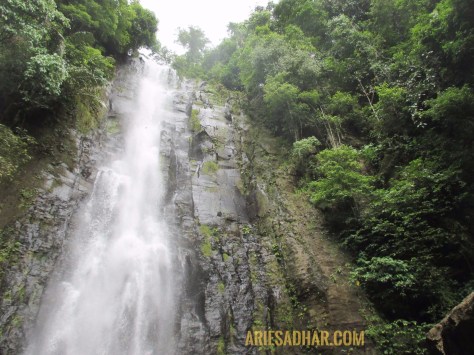
Tunan Waterfall is located in North Minahasa Regency, not too far from Sam Ratulangi International Airport. From a distance, this waterfall is very high. Search results on Google mention it is about 85-86 meters. Physically, in my opinion, this waterfall is higher than the Anai Valley. If the wind is significant, the altitude factor causes visitors from a distance to be drenched.
The pool in this waterfall is actually quite spacious, but the access is limited. In fact, it can actually be conditioned, such as the Benang Kelambu and Benang Setokel in Lombok that closes the pool’s access and then diverts it slightly to the side.
The facilities in this place are actually quite decent. It just so happened that we went to this place early in the morning so that the places to eat tended to still close. On the other hand, the access was still relatively poor. Yes, simply put, we rode Inova, and it couldn’t if we had to cross paths with other vehicles. It’s more appropriate to use a motorcycle.


















 ariesadhar.com